





Why Every Farm Needs Trees
Trees are often viewed as separate from agriculture. In many modern farming systems, crops and trees are treated as entirely different components of the landscape.
However, throughout history, some of the world’s most productive and resilient agricultural systems combined trees, crops, animals, and water management practices. These integrated systems worked in harmony with nature, creating healthy ecosystems that remained productive for generations.
Today, regenerative agriculture is rediscovering the vital role that trees play in building sustainable and resilient farms.
Trees Improve the Farm Environment
Trees provide numerous benefits that extend far beyond their visible presence.
They help create healthier growing conditions by:
- Providing shade during extreme heat
- Reducing wind speed and protecting crops
- Improving local microclimates
- Reducing soil temperature fluctuations
- Conserving moisture within the landscape
These effects help create a more stable environment for plants, animals, and soil life.
Trees Build Healthy Soils
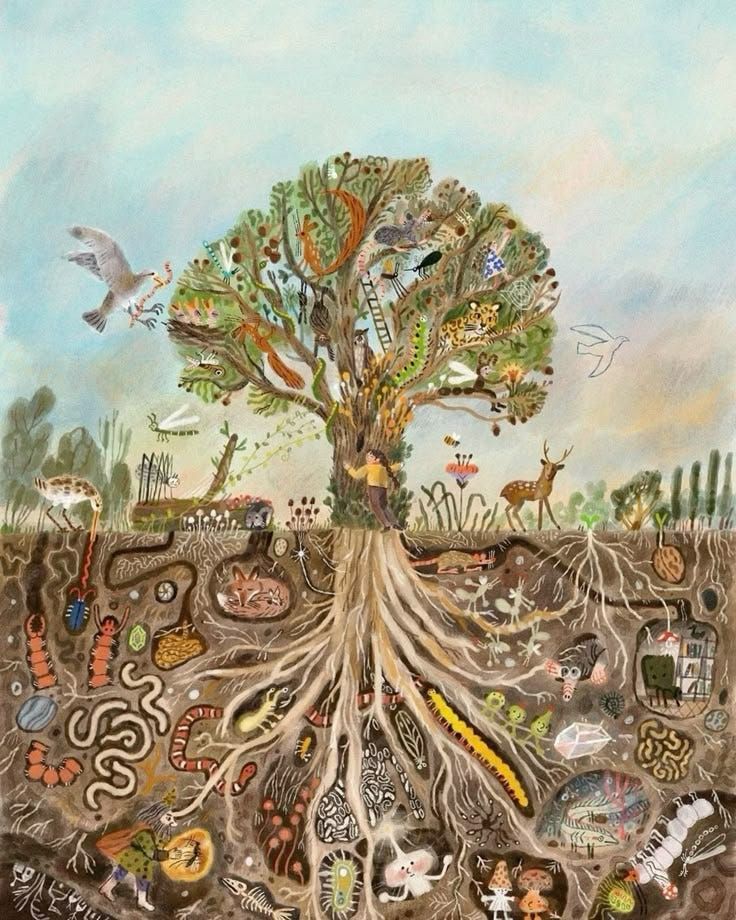
One of the most important contributions of trees occurs below the surface.
Tree roots penetrate deep into the soil, helping to:
- Stabilize the land and reduce erosion
- Improve soil structure
- Increase water infiltration
- Access nutrients from deeper soil layers
As leaves fall and decompose, they contribute valuable organic matter that enriches the soil and supports biological activity.
This natural cycle continuously improves soil fertility while reducing dependence on external inputs.
Supporting Biodiversity
Trees create habitats that support a wide variety of living organisms.
A farm rich in tree cover often attracts:
- Birds
- Pollinators
- Beneficial insects
- Small mammals
- Soil microorganisms
These species contribute to ecological balance and help strengthen the resilience of the farming system.
Greater biodiversity often leads to healthier ecosystems that are better equipped to handle pests, diseases, and environmental challenges.
Trees and Water Conservation
Water management is a critical aspect of regenerative farming, and trees play an important role in this process.
Their roots help increase water infiltration into the soil while reducing runoff during heavy rainfall. Tree canopies also help slow the impact of rain on the soil surface, reducing erosion and improving moisture retention.
Over time, farms with healthy tree cover often become better at capturing and storing water within the landscape.
Trees as Partners in Regeneration
Regenerative agriculture recognizes that trees are not separate from farming—they are active participants in the health of the ecosystem.
By integrating trees into agricultural landscapes, farmers can improve soil fertility, enhance biodiversity, strengthen water systems, and create more resilient farms.
Trees help connect different parts of the ecosystem, creating relationships that support long-term sustainability.
The Amrut Krushi Perspective
At Amrut Krushi, trees are not viewed as decorations around the farm. They are essential partners in building resilient ecosystems.
Every tree contributes to soil health, biodiversity, water conservation, and ecological balance. Their presence strengthens the entire landscape and supports the long-term regeneration of the farm.
Each plantation season represents an investment in a healthier and more sustainable future.
Conclusion
Trees provide far more than shade or beauty. They improve soil, support biodiversity, conserve water, and strengthen the resilience of farming systems.
Every tree planted today contributes to the health of the land for decades to come. By integrating trees into agricultural landscapes, farmers can create ecosystems that are productive, regenerative, and capable of supporting future generations.