


Learning From Nature’s Patience
Nature rarely works according to human timelines.
In a world driven by instant results and quick rewards, nature follows a different rhythm. Seeds do not become trees overnight. Healthy soils are not built in a single season. Ecosystems develop gradually through countless interactions that unfold over time.
Regenerative farming teaches an important lesson that modern society often overlooks: meaningful change requires patience.
Nature’s Timeline Is Different
Every natural process follows its own pace.
A seed may take years to become a mature tree. Soil regeneration often requires multiple growing seasons. Water harvesting systems reveal their full benefits only after repeated rainfall cycles and years of observation.
These processes cannot be rushed. Their success depends on consistency, care, and time.
Nature reminds us that lasting results are often created through small actions repeated over long periods.
The Power of Small Actions
Regeneration rarely happens through a single dramatic event.
Instead, it emerges from many small actions working together:
- Applying mulch to protect the soil
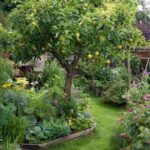
- Planting trees that will mature over decades
- Building compost that gradually enriches the land
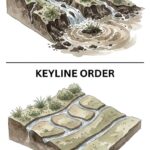
- Creating water harvesting structures
- Encouraging biodiversity throughout the farm
Each action contributes to a larger process of renewal that becomes more visible with time.
While individual efforts may appear small, their cumulative impact can transform entire landscapes.
Recognizing the Signs of Progress
One of the challenges of regenerative farming is that progress is not always immediately obvious.
Many of the most important improvements occur beneath the surface.
Signs of regeneration may include:
- Slightly darker and richer soil
- Increased earthworm activity
- Improved moisture retention
- Better plant health
- Greater biodiversity
- The return of birds and beneficial insects
These subtle changes indicate that natural systems are becoming healthier and more resilient.
Patience Builds Resilience
Farmers who work with natural processes understand that long-term success is built gradually.
Quick fixes may provide temporary results, but lasting regeneration requires commitment over many seasons.
Patience allows ecological systems to strengthen naturally. As soil health improves, water retention increases, biodiversity expands, and productivity becomes more sustainable.
The benefits compound over time, creating farms that are increasingly resilient to environmental challenges.
The Amrut Krushi Perspective
At Amrut Krushi, regeneration is viewed as a long-term journey rather than a short-term project.
Every tree planted, every layer of mulch applied, every compost pile built, and every water harvesting structure created contributes to a healthier future.
The focus is not on immediate perfection but on consistent improvement. Small positive changes, repeated year after year, create meaningful transformation across the landscape.
Conclusion
Nature rewards consistency more than speed.
The most valuable achievements in regenerative farming often emerge slowly, through patience, observation, and steady effort. While progress may not always be dramatic, every positive change contributes to a larger cycle of renewal.
By learning to respect nature’s pace, we gain a deeper appreciation for the processes that sustain life. The path to regeneration is not measured by how quickly results appear, but by how consistently we continue moving in the right direction.