





Why Diversity Creates Resilience
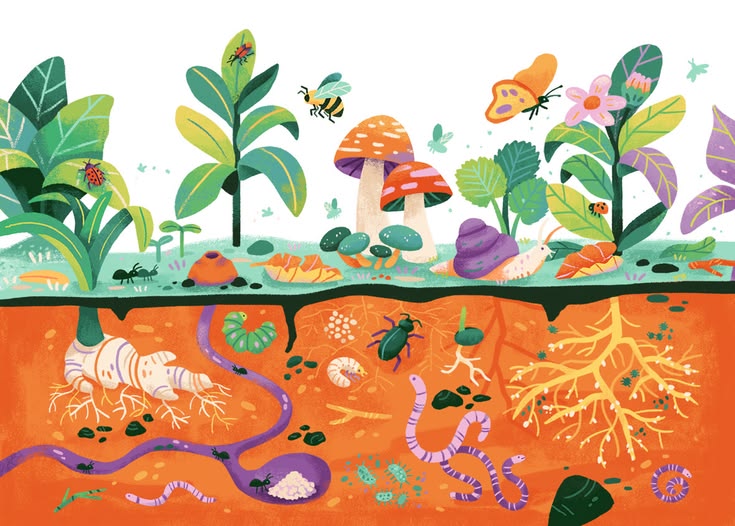
Nature rarely relies on a single species. Healthy ecosystems thrive because they contain a rich variety of plants, animals, insects, fungi, and microorganisms that work together in complex and interconnected ways.
A forest, for example, may contain hundreds of species interacting simultaneously. Each organism performs a unique role that contributes to the stability and health of the ecosystem. This diversity creates resilience, allowing natural systems to adapt and recover from challenges over time.
The Strength of Diversity in Nature
In diverse ecosystems, no single species carries the entire burden of maintaining ecological balance.
When one species faces stress due to disease, pests, drought, or changing environmental conditions, other species continue to perform essential functions. This allows the ecosystem to remain productive and stable even during periods of disturbance.
Nature demonstrates that resilience is often built through diversity rather than uniformity.
The Challenges of Monoculture Farming
Modern agricultural systems frequently rely on monocultures, where a single crop is grown across large areas of land.
While monocultures can simplify management and increase short-term efficiency, they also create vulnerabilities.
Common challenges include:
- Increased pest and disease pressure
- Reduced biodiversity
- Greater dependence on external inputs
- Lower ecological resilience
- Higher risk from extreme weather events
A single pest outbreak, disease, or climate-related event can affect an entire monoculture system because there are few natural buffers in place.
How Diversity Supports Farm Health
Diverse farming systems create multiple layers of protection and support.
Different plants contribute unique benefits to the ecosystem. Trees provide shade and habitat. Ground covers protect the soil. Flowering plants attract pollinators. Microorganisms improve nutrient cycling and soil fertility.
The benefits of diversity include:
- Improved soil health
- Better water retention
- Increased biodiversity
- Enhanced pollination
- Natural pest management
- Greater resilience to climate variability
When many species work together, the farm becomes more adaptable and sustainable.
Diversity at Amrut Krushi
At Amrut Krushi, diversity is encouraged wherever possible. The farm integrates a variety of living components that contribute to ecosystem health and regeneration.
These include:
- Fruit trees
- Native trees
- Herbs
- Shrubs
- Climbers
- Ground covers
- Beneficial microorganisms
Each element plays an important role in strengthening ecological relationships and supporting long-term sustainability.
Growing Relationships, Not Just Crops
The objective of regenerative farming extends beyond producing harvests. It focuses on creating healthy relationships between all components of the ecosystem.
Plants interact with soil organisms. Trees support wildlife. Pollinators contribute to food production. Microorganisms recycle nutrients and maintain soil fertility.
The farm becomes stronger when these relationships are nurtured and allowed to flourish.
Conclusion
The goal is not merely to grow crops. The goal is to grow relationships.
Nature teaches us that resilience emerges from diversity. The more species, interactions, and ecological connections present within a system, the more capable it becomes of adapting to change.
The more diverse the system, the more resilient the farm becomes. By embracing diversity, farmers can create healthier ecosystems, stronger agricultural systems, and a more sustainable future.