





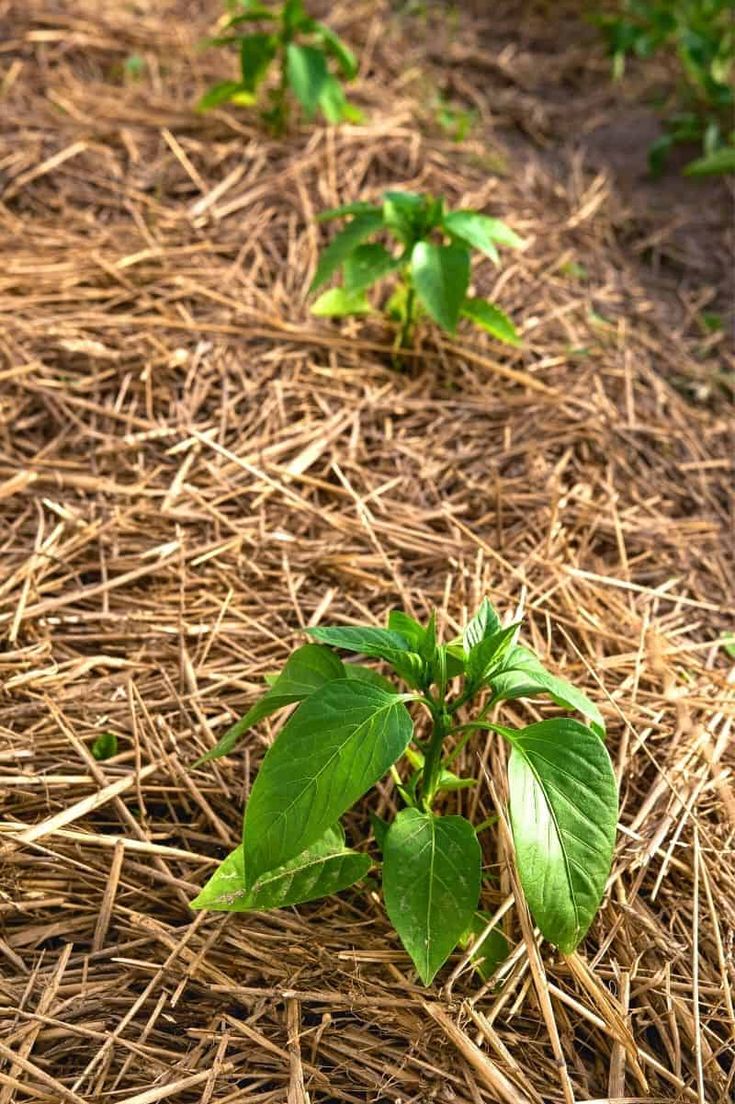
Why Nature Never Leaves Soil Bare
In natural ecosystems, exposed soil is a rare sight. Forest floors are covered with leaves, twigs, fallen branches, and living vegetation. Nature instinctively protects soil from direct sunlight, heavy rainfall, and erosion.
On farms, however, we often see vast stretches of bare land between crops. While this may appear neat and tidy, exposed soil gradually loses moisture, organic matter, and biological activity.
What Happens When Soil Is Left Bare?
When soil remains uncovered for long periods, it becomes vulnerable to several challenges:
- Rapid moisture loss due to evaporation
- Increased soil erosion caused by wind and rain
- Higher soil temperatures during hot weather
- Reduced microbial and earthworm activity
- Declining organic matter over time
Healthy soil is a living ecosystem. Leaving it exposed can disrupt the natural processes that support plant growth and long-term fertility.
How Mulching Mimics Nature
Mulching is one of the simplest and most effective ways to imitate nature. A layer of organic biomass placed over the soil surface acts as a protective blanket.
Benefits of mulching include:
- Conserving soil moisture
- Suppressing unwanted weeds
- Reducing soil temperature fluctuations
- Preventing erosion
- Encouraging beneficial microorganisms and earthworms
Over time, the mulch breaks down and contributes valuable organic matter back into the soil, improving its structure and fertility.
Biomass: A Valuable Resource, Not Waste
At Amrut Krushi, every fallen leaf is viewed as a resource rather than waste. Leaves, crop residues, grass clippings, and other natural materials can all be returned to the soil as mulch.
Instead of removing biomass from the farm, nature teaches us to recycle it. This continuous cycle helps build healthier soils, stronger plants, and more resilient farming systems.
Conclusion
Nature rarely leaves soil exposed, and for good reason. A protective layer of organic matter helps conserve moisture, prevent erosion, and support the countless organisms that keep soil alive.
By adopting practices such as mulching, farmers can work with nature rather than against it, creating healthier soils and more sustainable agricultural systems for the future.