



Trees & Biodiversity
A single mature tree can become home to hundreds of living organisms.
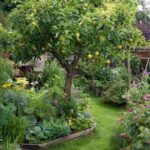
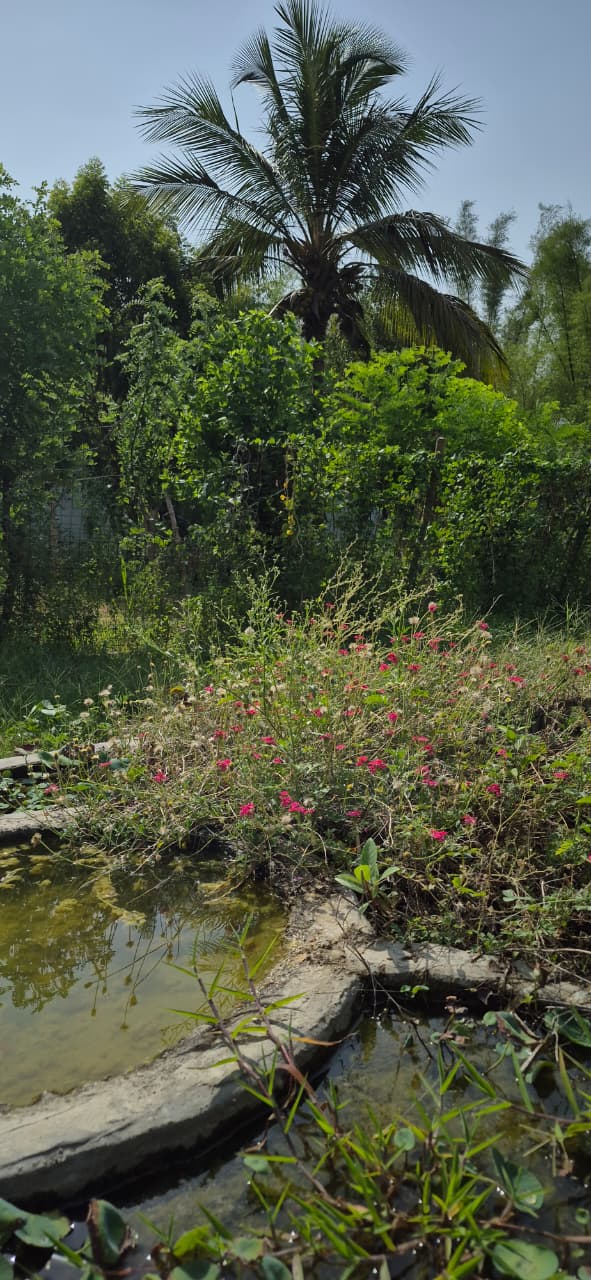
What appears to be a simple tree is actually a thriving ecosystem. Its branches, leaves, bark, roots, flowers, and surrounding soil create opportunities for countless forms of life to coexist and interact.
Birds nest in its branches. Insects feed on its leaves. Fungi form relationships with its roots. Lizards, squirrels, pollinators, and microorganisms all become part of its ecosystem.
When we plant a tree, we are not simply growing wood or fruit. We are creating habitat.
A Tree as an Ecosystem
Every tree supports a complex web of life.
Different species rely on trees for:
- Food
- Shelter
- Nesting sites
- Protection from predators
- Breeding habitats
- Microclimate regulation
Even after a tree reaches maturity, its ecological value continues to grow as more species become connected to it.
The larger and healthier the tree, the greater its ability to support biodiversity.
Why Biodiversity Matters
Biodiversity is one of nature’s greatest strengths.
A diverse ecosystem is more resilient because many species contribute different functions that help maintain balance and stability.
Benefits of biodiversity include:
- Improved pollination
- Natural pest control
- Better nutrient cycling
- Increased ecosystem resilience
- Enhanced soil health
- Greater adaptability to environmental change
The more diverse an ecosystem becomes, the more capable it is of recovering from disturbances and supporting long-term productivity.
The Role of Native Trees
Not all trees contribute equally to local ecosystems.
Native tree species are especially valuable because they have evolved alongside local wildlife for generations. Birds, insects, fungi, and other organisms have developed relationships with these trees over long periods of time.
As a result, native trees often support significantly more biodiversity than non-native species.
Planting native trees helps strengthen ecological networks that already exist within the landscape.
Tree Planting as Ecosystem Creation
At Amrut Krushi, tree planting is viewed as ecosystem creation rather than simply landscape development.
Every tree planted becomes an opportunity to support:
- Birds and pollinators
- Beneficial insects
- Soil microorganisms
- Small mammals and reptiles
- Natural nutrient cycles
- Long-term ecological resilience
The objective is not only to increase tree cover but also to create environments where diverse forms of life can thrive together.
Building Resilient Landscapes
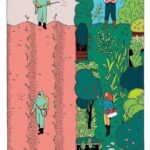
Landscapes rich in biodiversity are often healthier, more stable, and more productive.
Trees contribute to this resilience by connecting different parts of the ecosystem. They improve soil health, support water retention, provide habitat, and encourage ecological interactions that strengthen the entire landscape.
As biodiversity increases, farms become better equipped to withstand pests, diseases, climate variability, and other environmental challenges.
The Amrut Krushi Perspective
At Amrut Krushi, trees are viewed as essential partners in regeneration.
Each tree contributes far more than shade or fruit. It becomes part of a larger effort to create thriving ecosystems where plants, animals, microorganisms, and people can coexist in balance.
Tree planting is therefore an investment not only in the future of the farm but also in the future of biodiversity itself.
Conclusion
A landscape rich in biodiversity is more resilient, more beautiful, and more capable of supporting life.
The next time you plant a tree, remember that you are planting far more than a single organism. You are creating the foundation for a future community of birds, insects, fungi, wildlife, and countless other forms of life.
Every tree has the potential to become a living ecosystem that benefits generations to come.