

Farming Is More Than Producing Food
Modern agriculture is often measured by yield alone. Success is commonly defined by the quantity of crops harvested, the productivity of the land, or the financial returns generated from a farming operation.
While food production remains a fundamental purpose of agriculture, farming influences far more than what is harvested at the end of a season. The way we farm affects soil health, water quality, biodiversity, rural communities, and even human well-being.
A truly successful farm creates value not only through its produce but also through the positive impact it leaves on the environment and society.
Beyond the Harvest
Every farming decision has consequences that extend beyond crop production.
The methods used to cultivate land can influence:
- Soil fertility and long-term productivity
- Water conservation and groundwater health
- Biodiversity and ecosystem balance
- Rural livelihoods and local economies
- Community well-being and food security
When viewed from this broader perspective, agriculture becomes much more than a means of producing food. It becomes a powerful force that shapes landscapes and communities for generations.
A Farm Is a Living Ecosystem
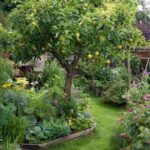
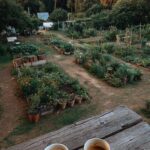
A regenerative farm is not merely a production unit. It is a living ecosystem where soil, plants, insects, animals, water, and people are interconnected.
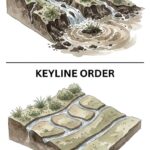
Healthy soil supports healthy plants. Diverse ecosystems encourage beneficial organisms and natural resilience. Responsible water management protects vital resources and strengthens the farm’s ability to adapt to changing conditions.
When these relationships are nurtured, farms become more productive, sustainable, and resilient over time.
The Responsibility of Stewardship
The choices farmers make today determine the landscapes that future generations inherit.
Every decision—whether related to soil management, water use, biodiversity, or crop production—contributes to either the regeneration or degradation of natural resources.
Stewardship means caring for the land with a long-term perspective. It involves recognizing that agriculture is not only about meeting today’s needs but also about preserving opportunities for tomorrow.
The Regenerative Agriculture Perspective
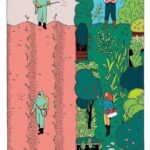
Regenerative farming seeks to restore and strengthen natural systems rather than simply extracting resources from them.
Its principles focus on:
- Building healthy soils
- Conserving water
- Increasing biodiversity
- Enhancing ecosystem resilience
- Creating sustainable farming systems
This approach helps ensure that agricultural productivity can continue while improving the health of the environment.
The Amrut Krushi Philosophy
At Amrut Krushi, farming is viewed as an act of stewardship. The objective is not only to harvest crops but also to regenerate life.
By working in harmony with nature, farms can become places where soil fertility improves, biodiversity flourishes, and communities remain connected to the land.
The true harvest of a farm extends far beyond the crops that leave the field.
Conclusion
The success of agriculture cannot be measured by yield alone. A thriving farm contributes to healthy ecosystems, clean water, fertile soils, and stronger communities.
The true harvest of a farm includes healthy soil, clean water, thriving biodiversity, and inspired people who continue the work of regeneration for future generations.
When farming is approached with care, responsibility, and vision, it becomes much more than food production—it becomes a commitment to sustaining life itself.