





Preparing the Ground for Tomorrow’s Trees
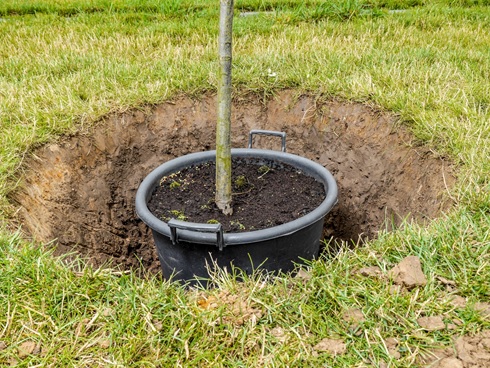
As the monsoon approaches, much of the activity on a regenerative farm focuses on preparing tree pits. To a casual observer, a pit may appear to be nothing more than a hole in the ground. In reality, it represents the foundation of a tree’s future.
The success of a tree is often determined long before the sapling is planted. Careful preparation creates the conditions that allow roots to establish, soil life to flourish, and water to be stored effectively.
Why Tree Pit Preparation Matters
A healthy tree begins with a well-prepared planting site.
Tree pits are designed to provide young saplings with the resources they need during their most vulnerable stage of growth. Proper preparation helps create an environment where roots can expand freely and access moisture even during challenging conditions.
A well-prepared pit helps:
- Capture and store rainwater
- Improve root development
- Increase water infiltration
- Enhance soil aeration
- Support beneficial soil organisms
- Improve long-term tree health
The investment made before planting often determines the tree’s performance for years to come.
Building a Strong Foundation
Successful tree planting involves much more than placing a sapling into the soil.
Organic matter, biomass, moisture retention, and soil structure all play important roles in creating a healthy environment for growth. When these elements are considered in advance, young trees are better equipped to establish themselves and thrive.
The goal is not simply to plant more trees, but to improve the likelihood that every tree survives and grows successfully.
The Role of Soil and Biomass
Healthy soil is one of the most important factors in tree establishment.
Organic matter helps improve soil structure while supporting microorganisms that contribute to nutrient cycling and root health. Biomass placed around planting areas can help conserve moisture, reduce temperature fluctuations, and gradually improve soil fertility.
These natural processes create favorable conditions that support long-term growth and resilience.
Preparing for the Monsoon
The period before the monsoon is one of the most important times for tree planting preparation.
Rainfall provides an opportunity to recharge soil moisture and establish young trees under favorable conditions. Well-designed planting pits help maximize the benefits of seasonal rainfall by capturing and retaining water where it is needed most.
Careful preparation ensures that every drop of rain contributes to the success of future plantations.
The Amrut Krushi Perspective
At Amrut Krushi, tree planting is not viewed as a ceremonial activity. It is a thoughtful process focused on giving every sapling the best possible start.
Before a tree enters the ground, attention is given to soil health, biomass availability, moisture retention, and biological activity. These factors work together to create an environment where trees can establish strong roots and grow into valuable contributors to the ecosystem.
The emphasis is not simply on planting trees, but on creating the conditions that allow them to thrive.
Conclusion
Planting a tree takes only a few minutes. Preparing the conditions for its success requires observation, planning, and care.
The difference between the two approaches becomes visible years later.
By investing time in proper preparation, farmers create stronger, healthier, and more resilient landscapes. Every well-prepared tree pit becomes the starting point for future shade, biodiversity, soil health, and ecological regeneration.