




The Best Time to Plant a Tree
There is an old saying:
“The best time to plant a tree was twenty years ago. The second best time is now.”
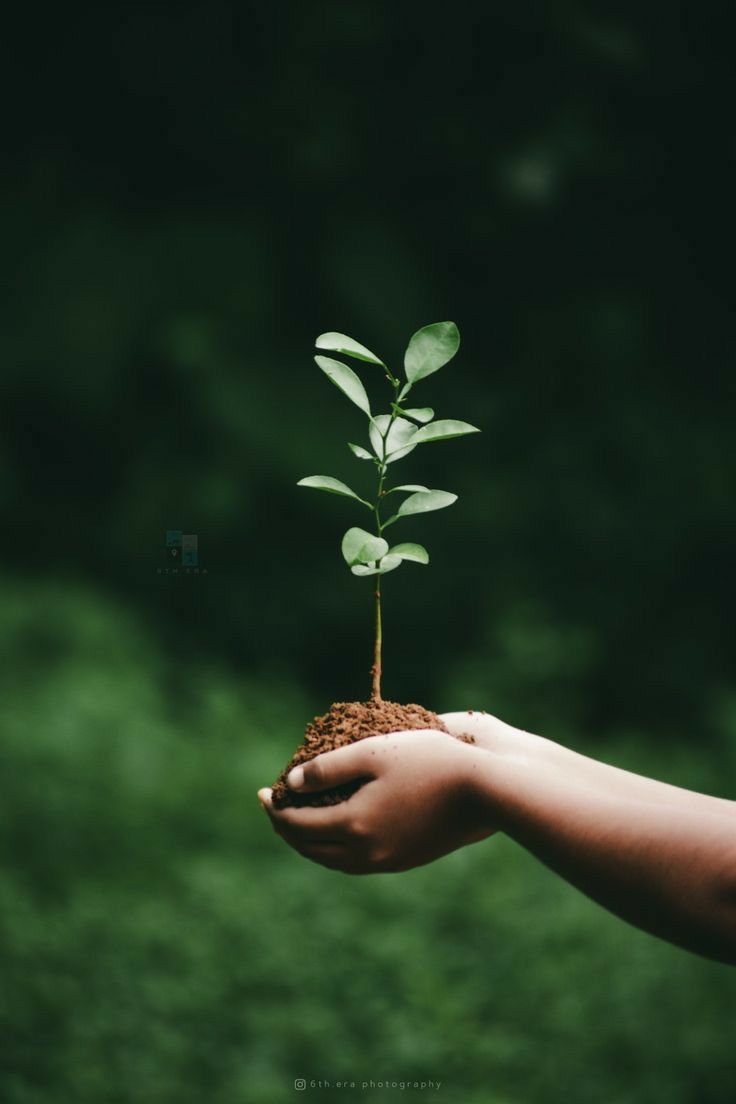
This simple statement carries a powerful lesson about responsibility, patience, and long-term thinking. Every mature tree that provides shade, food, and habitat today once began as a small sapling planted by someone who believed in the future.
Each monsoon season reminds us that the decisions we make today shape the landscapes that future generations will inherit.
Why Trees Matter
Tree planting is about much more than increasing green cover.
Trees perform a wide range of ecological functions that support healthy and resilient landscapes.
Their benefits include:
- Improving soil structure
- Reducing erosion
- Supporting biodiversity
- Moderating local temperatures
- Enhancing water infiltration
- Improving air quality
- Providing habitat for wildlife
Over time, trees become essential contributors to the health and stability of entire ecosystems.
The Monsoon Advantage
The monsoon provides ideal conditions for establishing young trees.
Moist soil, regular rainfall, and moderate temperatures reduce stress on newly planted saplings and encourage healthy root development.
During this period, trees can focus their energy on establishing strong root systems that will support future growth and resilience.
For this reason, the monsoon is often considered one of the best times of the year for plantation efforts.
Planting Is Only the Beginning
The greatest challenge is not planting trees.
The real challenge is ensuring their survival during the critical early years of growth.
Young saplings require:
- Adequate moisture
- Protection from grazing animals
- Mulching to conserve water
- Healthy soil conditions
- Regular monitoring and care
Without proper nurturing, even the most ambitious plantation efforts may struggle to achieve long-term success.
Successful tree planting requires commitment beyond the day of planting.
A Long-Term Investment
Trees teach us the value of patience.
Many of the benefits they provide take years to fully develop. Shade, fruits, biodiversity, improved soil health, and ecological resilience emerge gradually as trees mature.
Every sapling planted today represents an investment whose greatest rewards may be enjoyed by future generations.
The decision to plant a tree is ultimately an act of optimism and stewardship.
The Amrut Krushi Perspective
At Amrut Krushi, tree planting is viewed as a long-term commitment rather than a one-day activity.
Careful attention is given to soil preparation, moisture retention, biodiversity, and ongoing care to ensure that young trees have the best possible opportunity to thrive.
The goal is not simply to plant more trees but to create healthy ecosystems that continue to provide value for decades to come.
Conclusion
A tree is a long-term relationship between people and the land.
Every mature tree standing today exists because someone chose to invest in the future. By planting and nurturing trees now, we contribute to healthier soils, richer biodiversity, improved water systems, and more resilient landscapes.
The best time to plant a tree may have been years ago.
The second best time is today.