




What Makes Soil Alive?
Many people judge soil by its colour. Farmers often judge it by its productivity. Nature, however, judges soil by something far more important—its life.
Beneath the surface exists a complex and dynamic ecosystem made up of billions of living organisms. These organisms work continuously to cycle nutrients, improve soil structure, and support plant growth.
Healthy soil is not simply a material that holds roots in place. It is a living system that forms the foundation of every healthy landscape.
A Hidden World Beneath the Surface
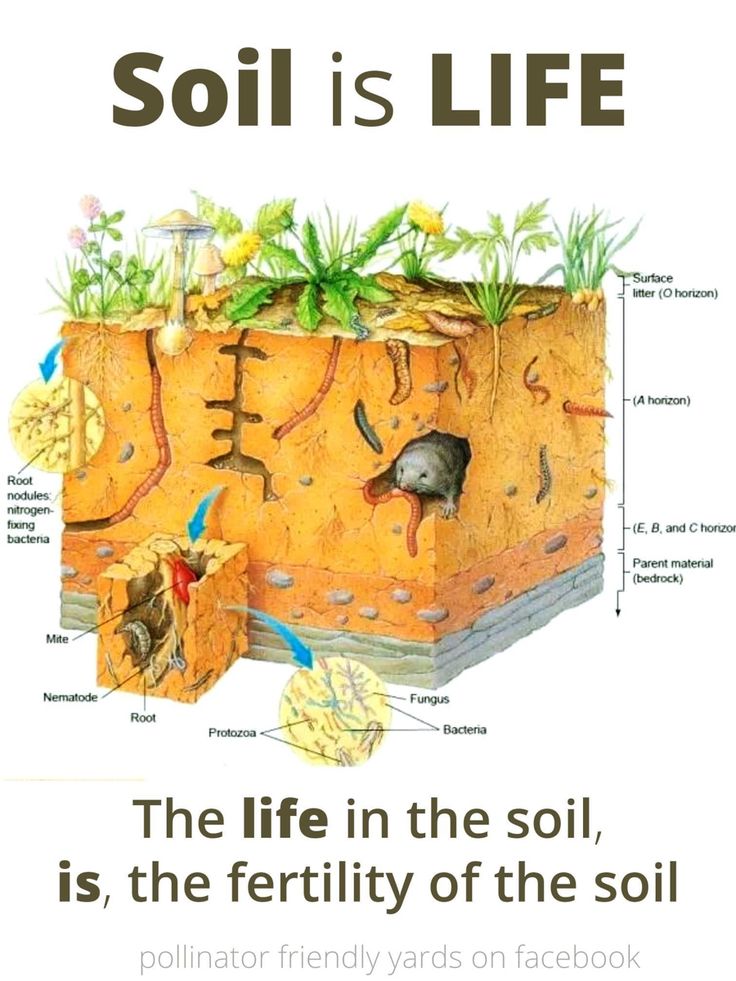
Living soil contains an incredible diversity of organisms, many of which are invisible to the naked eye.
This underground community includes:
- Earthworms
- Fungi
- Bacteria
- Nematodes
- Protozoa
- Arthropods
- Countless microscopic organisms
Each plays a unique role in maintaining soil health and ecosystem function.
Together, these organisms create a network of interactions that helps sustain life above ground.
The Role of Soil Organisms
Soil life performs essential functions that support plant growth and long-term fertility.
These organisms help:
- Decompose organic matter
- Recycle nutrients
- Improve soil structure
- Increase water infiltration
- Enhance moisture retention
- Support root development
- Build resilience against environmental stress
Without biological activity, soil gradually loses its ability to function as a healthy ecosystem.
Healthy plants depend on healthy soil life.
Signs of Living Soil
Healthy soil often reveals its vitality through several visible characteristics.
Living soil typically:
- Has a rich earthy smell
- Feels loose and crumbly
- Absorbs water efficiently
- Contains visible biological activity
- Supports vigorous plant growth
These signs indicate that beneficial organisms are actively performing the processes that maintain soil health and fertility.
Feeding the Soil Ecosystem
Soil life thrives when it has access to organic matter.
Practices that support biological activity include:
- Applying mulch
- Adding compost
- Recycling plant residues
- Maintaining ground cover
- Reducing unnecessary soil disturbance
As organic matter accumulates, microorganisms receive a continuous source of food and energy.
This leads to greater biological activity, improved fertility, and stronger ecosystem resilience.
The Regenerative Agriculture Approach
Regenerative agriculture focuses on creating conditions where soil organisms can perform their natural functions.
Rather than relying solely on external inputs, regenerative systems support the biological processes that already exist within the soil.
When soil life is healthy, nutrient cycling becomes more efficient, water retention improves, and plants become more resilient.
The goal is to work with nature rather than replace its processes.
The Amrut Krushi Perspective
At Amrut Krushi, soil is viewed as a living ecosystem rather than an inert growing medium.
Through mulching, biomass recycling, composting, and minimal disturbance, efforts are made to create conditions where soil life can flourish naturally.
By feeding the soil first, fertility is gradually built from within the ecosystem itself, supporting healthier crops and more resilient landscapes.
Conclusion
The true measure of soil health is not its colour alone, nor even its productivity. It is the life it contains.
A living soil ecosystem supports plant growth, stores water, cycles nutrients, and strengthens resilience throughout the landscape.
The goal is simple:
Treat soil as a living ecosystem rather than an inert growing medium.
When soil life thrives, everything above it benefits as well.