





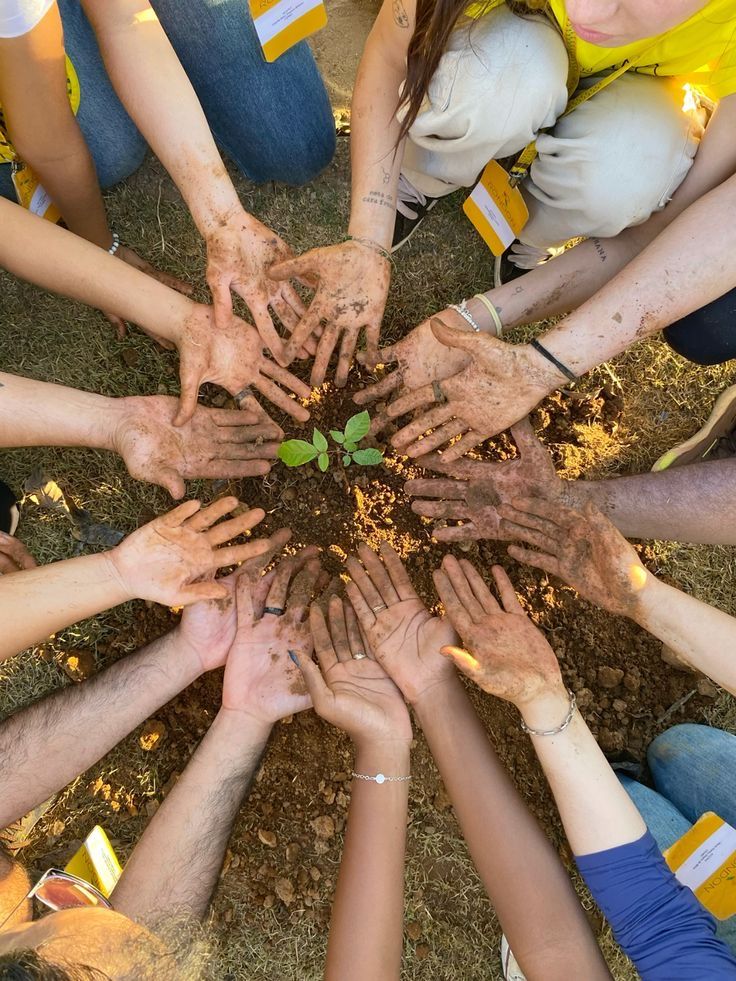
Farming for Future Generations
Many modern decisions are driven by short-term outcomes. Success is often measured by immediate results, quick returns, and short-term gains.
Regenerative farming encourages a different perspective.
Instead of focusing only on the present season, it asks us to think about the condition of the land years and even decades into the future. It encourages us to make decisions that will continue providing benefits long after we are gone.
At its core, regenerative agriculture is about leaving the land better than we found it.
Thinking Beyond the Present
The actions we take today can shape the future of a landscape for generations.
The soil we improve today may support future farmers.
The trees we plant may provide shade, habitat, and fruits decades from now.
The water harvesting structures we build may continue serving communities through future seasons and changing climates.
Many of the greatest benefits of regenerative farming emerge over time, making long-term thinking an essential part of the process.
From Extraction to Stewardship
The way we view the land influences how we manage it.
A short-term mindset often asks:
“What can I take from this land?”
A regenerative mindset asks:
“What can I leave behind that is better than what I inherited?”
This shift transforms the relationship between people and nature.
Instead of treating land as a resource to be consumed, regenerative farming views it as a living system that deserves care, restoration, and protection.
Building a Legacy Through Regeneration
Every regenerative action contributes to a lasting legacy.
Examples include:
- Improving soil health
- Planting and protecting trees
- Conserving water
- Supporting biodiversity
- Restoring degraded landscapes
- Strengthening ecological resilience
These efforts create benefits that extend beyond individual farms and support future generations of people, wildlife, and ecosystems.
The value of these actions often grows with time.
The Responsibility of Stewardship
Every generation inherits natural resources from those who came before.
The choices made today determine what future generations will receive tomorrow.
Stewardship means accepting responsibility for the long-term health of the land. It involves making decisions that protect ecological systems while creating opportunities for those who will depend on them in the future.
Regenerative agriculture provides a practical framework for fulfilling this responsibility.
The Amrut Krushi Perspective
At Amrut Krushi, farming is viewed as an act of stewardship rather than ownership.
The goal is not simply to produce crops but to improve soil, conserve water, increase biodiversity, and strengthen the resilience of the landscape over time.
Every tree planted, every drop of water conserved, and every effort to restore ecological balance contributes to a healthier future.
The focus remains on creating positive impacts that will continue long after the current season has passed.
Conclusion
At its heart, regenerative agriculture is an act of responsibility toward those who will walk this land after us.
The most meaningful legacy is not what we accumulate, but what we restore.
By improving soil, protecting water, planting trees, and strengthening ecosystems, we create landscapes that can continue supporting life for generations to come.
Farming for future generations means recognizing that the choices we make today become the foundation of tomorrow’s world.