





Why Fallen Leaves Are a Gift
Fallen leaves are often viewed as waste. In many gardens, farms, and public spaces, they are swept away and discarded without a second thought.
Nature, however, sees fallen leaves very differently.
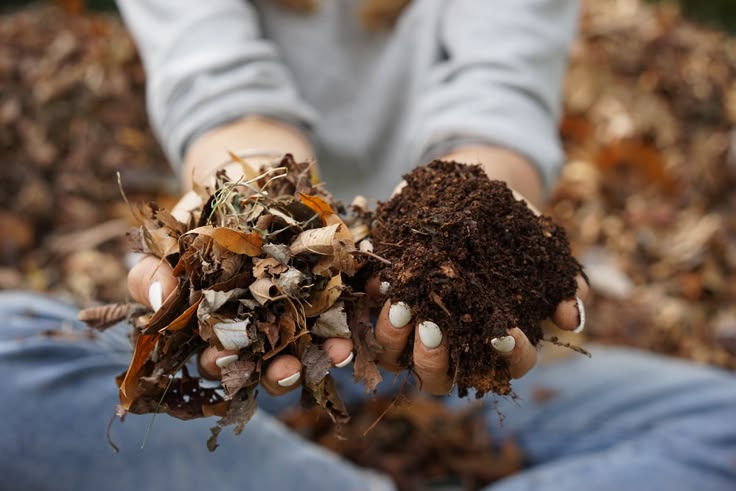
Every leaf that falls from a tree is part of a carefully designed cycle of renewal. Rather than waste, leaves represent a valuable resource that helps sustain soil health, biodiversity, and ecosystem productivity.
In natural ecosystems, fallen leaves are a gift to the land.
Nature’s Nutrient Recycling System
Trees spend an entire growing season capturing sunlight and transforming it into energy.
Leaves store a portion of this energy along with valuable nutrients absorbed from the soil. When leaves eventually fall, these nutrients are returned to the earth through decomposition.
As microorganisms, fungi, and other decomposers break down leaf litter, nutrients become available once again for plants and soil life.
This natural recycling process has sustained forests for millions of years.
Protecting the Soil
Fallen leaves do more than return nutrients.
They also create a protective layer over the soil surface that helps:
- Reduce moisture loss through evaporation
- Protect soil from erosion
- Moderate soil temperatures
- Reduce the impact of heavy rainfall
- Support beneficial soil organisms
This natural mulch helps create stable conditions that allow soil life to thrive.
Nature rarely leaves soil exposed, and fallen leaves play a key role in providing that protection.
Supporting Life Below the Surface
A layer of leaf litter creates habitat for countless forms of life.
Bacteria, fungi, insects, earthworms, and other organisms depend on organic matter as a source of food and shelter.
As biological activity increases, the soil becomes:
- More fertile
- Better structured
- More capable of retaining water
- More resilient to environmental stress
Healthy ecosystems depend on these underground communities, and fallen leaves help support them.
Benefits for Farms
The same principles that sustain forests can also benefit agricultural landscapes.
On farms, leaf litter can:
- Reduce irrigation requirements
- Suppress weed growth
- Improve soil structure
- Increase organic matter
- Support biodiversity
- Enhance long-term fertility
Rather than removing leaves from the system, regenerative farming seeks to keep these resources cycling within the landscape.
The Amrut Krushi Perspective
At Amrut Krushi, fallen leaves are rarely viewed as waste.
They are collected, spread, and allowed to become part of the regenerative cycle. Through decomposition, they contribute to soil health, moisture retention, and biological activity while helping build long-term fertility.
Every leaf becomes an opportunity to strengthen the ecosystem.
By working with natural cycles rather than interrupting them, the landscape becomes increasingly resilient and productive.
Conclusion
Every fallen leaf carries value far beyond its appearance.
It protects the soil, feeds microorganisms, recycles nutrients, and supports the countless ecological processes that sustain life.
In many ways, a fallen leaf represents stored sunlight being returned to the earth.
When we learn to see leaves not as waste but as resources, we begin to understand one of nature’s most powerful lessons: regeneration depends on continuous cycles of renewal.