





Every Raindrop Has a Destination
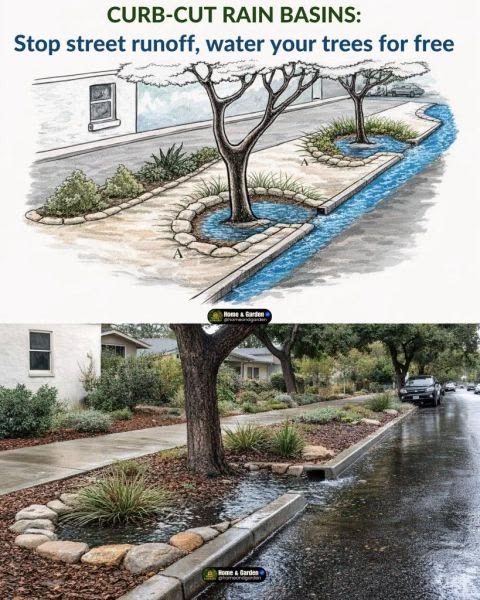
Every time rain falls on the land, it begins a journey. That journey usually ends in one of three ways: the water evaporates back into the atmosphere, flows away as runoff, or infiltrates the soil.
Among these outcomes, the most valuable for farmers and ecosystems is infiltration. When rainwater soaks into the ground, it becomes a resource that supports life long after the storm has passed. It replenishes soil moisture, nourishes plant roots, and gradually recharges groundwater reserves that sustain communities during dry periods.
Unfortunately, when rainwater runs off the land too quickly, it often carries away fertile topsoil, nutrients, and organic matter. This not only reduces the productivity of the land but also increases erosion and decreases the amount of water available for future use.
Regenerative land management focuses on maximizing the amount of rainwater that enters and remains within the soil. Simple yet effective practices can significantly improve water infiltration and retention. Mulching protects the soil surface from the impact of raindrops and reduces evaporation. Contour bunding slows the movement of water across slopes, giving it more time to soak in. Tree planting improves soil structure through extensive root systems, while increasing organic matter enhances the soil’s ability to absorb and store moisture.
At Amrut Krushi, every monsoon is viewed as an opportunity to capture and store water within the landscape. Rather than allowing precious rainfall to escape, regenerative practices help transform the land into a natural reservoir that supports crops, soil life, and future water security.
A successful rain is not measured by how much water falls from the sky, but by how much remains in the soil. The more water the land can hold, the more resilient and productive it becomes for generations to come.