



The Language of Mulch
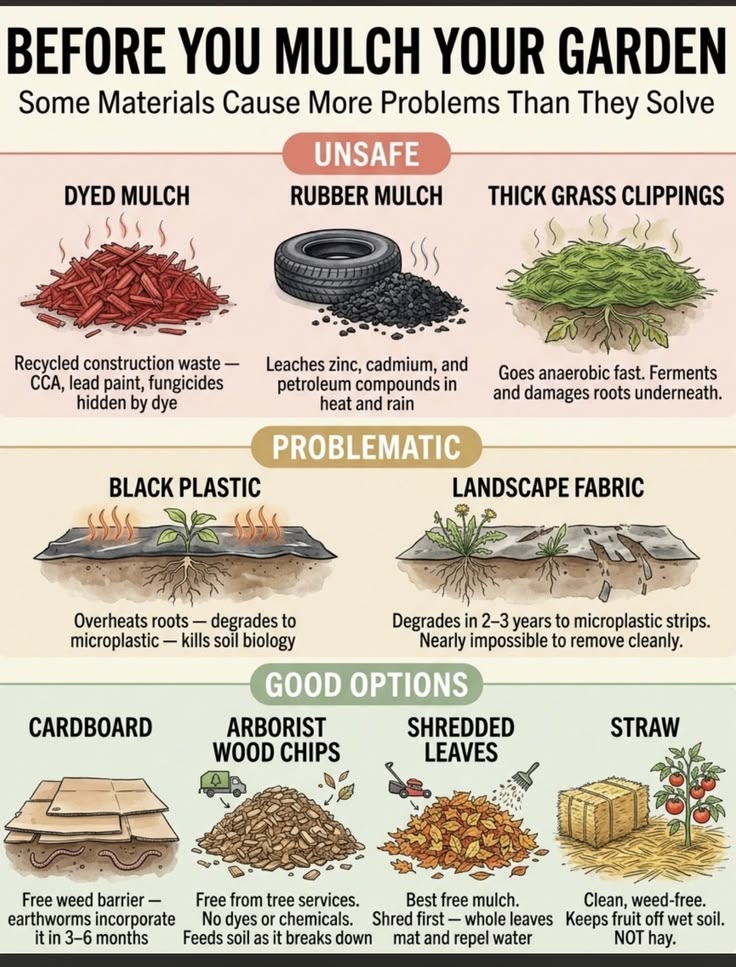
A layer of dry leaves, grass, crop residue, or biomass spread across the soil may appear simple, but mulch speaks the language of nature.
In healthy forests, the ground is rarely left bare. Fallen leaves, twigs, and organic matter form a natural blanket that protects the soil, conserves moisture, and supports an incredible diversity of life beneath the surface.
Regenerative agriculture follows the same principle by using mulch to imitate nature’s own design.
Nature’s Protective Blanket
In natural ecosystems, mulch is created continuously.
As leaves fall and plants complete their life cycle, organic matter accumulates on the forest floor. This layer protects the soil from harsh sunlight, heavy rainfall, and temperature extremes while gradually decomposing into valuable nutrients.
Nature demonstrates that healthy soil is almost always protected rather than exposed.
How Mulch Benefits the Soil
Mulch performs several important functions that improve both soil health and farm productivity.
It helps to:
- Reduce moisture loss through evaporation
- Protect soil from erosion
- Moderate soil temperature
- Suppress unwanted weed growth
- Improve water infiltration
- Build organic matter over time
These benefits create healthier growing conditions while reducing stress on both the soil and plants.
Supporting Life Below the Surface
One of mulch’s greatest contributions is the environment it creates for soil organisms.
Beneath its protective cover, countless living organisms find food, shelter, and favorable conditions for growth.
These include:
- Earthworms
- Fungi
- Beneficial bacteria
- Insects
- Other soil microorganisms
As biological activity increases, nutrient cycling becomes more efficient, soil structure improves, and fertility develops naturally.
Healthy soil begins with healthy soil life.
Biomass: A Valuable Resource
Every leaf, stalk, and piece of plant residue contains valuable energy captured from sunlight.
Rather than treating biomass as waste, regenerative farming views it as an important resource that should be returned to the soil.
As biomass decomposes, it recycles nutrients, increases organic matter, and strengthens the biological foundation of the ecosystem.
Each layer of mulch contributes to the long-term regeneration of the land.
The Amrut Krushi Perspective
At Amrut Krushi, biomass is considered one of the most valuable resources on the farm.
Every fallen leaf, every grass cutting, and every crop residue carries stored sunlight and nutrients back to the earth. By returning these materials to the soil, the farm supports natural nutrient cycles while improving moisture retention, soil biology, and long-term fertility.
The objective is not simply to protect the soil but to create conditions where life can flourish beneath the surface.
Conclusion
Mulch may appear to be a simple layer of organic material, but its impact on the ecosystem is profound.
It protects the soil, conserves water, supports biodiversity, and gradually builds fertility through natural decomposition.
Nature has long demonstrated the importance of keeping the soil covered.
Healthy soil begins with protected soil, and protected soil becomes the foundation of healthy, resilient, and regenerative landscapes.