





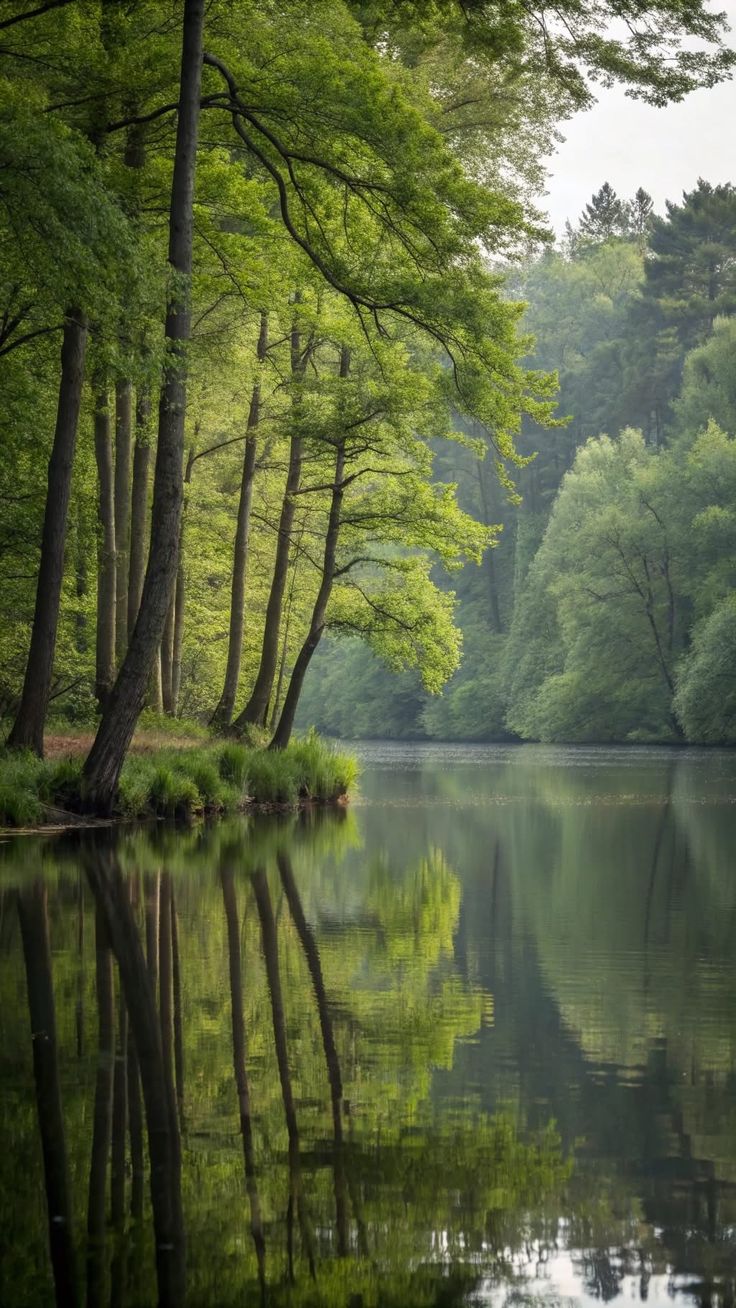
Trees Are Nature’s Water Harvesters
When people think about water harvesting, they often imagine ponds, check dams, contour trenches, or storage tanks. While these structures are important, nature has been harvesting water long before humans built them.
One of the most effective water-harvesting systems in the natural world is a tree.
Far more than a source of shade or fruit, trees play a vital role in capturing, storing, and conserving water within the landscape.
How Trees Harvest Water
Trees influence the movement of water in several remarkable ways.
Their deep and extensive root systems create natural channels that allow rainwater to penetrate deep into the soil rather than flowing away as surface runoff.
At the same time, their canopy softens the impact of raindrops, protecting the soil from erosion and reducing compaction.
Together, these processes help the land absorb more rainfall and retain it for longer periods.
Improving Soil Moisture
Trees help create conditions where moisture remains available even after rainfall has ended.
They contribute by:
- Increasing water infiltration
- Reducing surface runoff
- Lowering soil temperatures
- Reducing evaporation
- Improving soil structure
- Supporting healthy soil biology
These benefits allow the soil to function as a natural reservoir, storing water that can be used by plants during dry periods.
Trees and Healthy Ecosystems
The relationship between trees and water extends beyond the soil.
As trees improve moisture availability, they also support:
- Healthier vegetation
- Greater biodiversity
- Improved soil fertility
- Stronger microbial activity
- Better habitat for wildlife
These interconnected processes strengthen the resilience of the entire ecosystem.
A landscape with healthy tree cover is often better equipped to withstand droughts and changing climatic conditions.
A Long-Term Investment in Water Security
Unlike artificial water storage systems that require ongoing maintenance, trees continue improving the landscape year after year.
As they mature:
- Their root systems expand deeper into the soil.
- Their canopy provides greater shade.
- Organic matter from fallen leaves improves soil fertility.
- Water retention capacity continues to increase.
Each year, mature trees become even more effective at conserving water within the ecosystem.
The Amrut Krushi Perspective
At Amrut Krushi, tree planting is viewed as more than an ecological activity.
It is also a long-term water conservation strategy.
Every tree planted contributes to healthier soil, improved groundwater recharge, greater moisture retention, and stronger ecological resilience. By integrating trees into the landscape, the farm strengthens its ability to capture and store rainfall naturally.
The goal is not only to grow trees but also to build landscapes that become increasingly water-secure over time.
Conclusion
Trees are among nature’s most efficient water harvesters.
Through their roots, canopy, and continuous contribution to soil health, they help capture rainfall, conserve moisture, and improve the resilience of entire ecosystems.
Every tree planted today is an investment in tomorrow’s water security.
By working with nature and expanding tree cover, we create healthier landscapes that can support life for generations to come.