


Why Biodiversity Matters
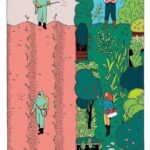
A farm filled with only one crop may appear efficient, but nature rarely relies on a single species.
Healthy ecosystems thrive because of diversity. Trees, shrubs, grasses, flowering plants, fungi, insects, birds, and microorganisms all perform different roles that support one another. Together, they create balanced systems that are more productive, resilient, and capable of adapting to change.
Regenerative agriculture embraces this natural principle by encouraging biodiversity throughout the landscape.
Every Species Has a Purpose
In nature, no organism exists without a role.
Different plants contribute to the ecosystem in different ways.
Some species:
- Fix nitrogen in the soil
- Attract pollinators
- Provide shade
- Improve soil structure
- Produce organic matter
- Support birds and beneficial insects
- Create habitat for wildlife
Each species strengthens the ecosystem by performing functions that benefit many others.
The greater the diversity, the stronger the ecological network becomes.
Biodiversity Builds Resilience
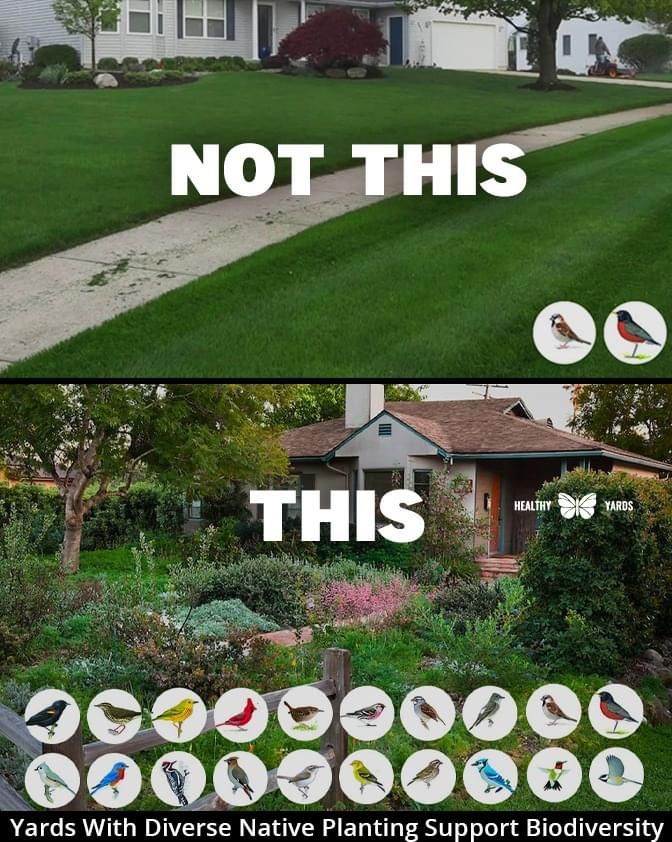
Diverse ecosystems are naturally more resilient than uniform ones.
When many species coexist, the landscape becomes better equipped to respond to environmental challenges.
The benefits of biodiversity include:
- Reduced spread of pests and diseases
- Increased populations of beneficial insects
- Improved nutrient cycling
- Greater soil fertility
- Better water retention
- Enhanced ecosystem stability
Instead of depending on a single crop or species, diverse systems distribute ecological functions across many organisms.
This creates landscapes that are healthier and more adaptable.
Nature’s Insurance Policy
Biodiversity acts as nature’s insurance policy.
If one species is affected by disease, pests, or changing weather conditions, other species continue performing essential ecological functions.
This balance helps ecosystems recover more quickly from disturbances and maintain productivity over time.
Diversity provides stability where uniformity often creates vulnerability.
Creating Habitats for Life
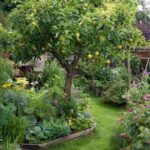
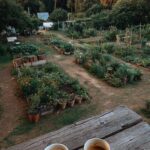
Encouraging biodiversity means creating environments where many forms of life can thrive.
This can be achieved by incorporating:
- Native trees
- Food forests
- Flowering plants
- Herbs and shrubs
- Pollinator-friendly species
- Natural habitats for wildlife
Each addition strengthens the web of life and increases ecological resilience throughout the landscape.
The Amrut Krushi Perspective
At Amrut Krushi, biodiversity is encouraged through the integration of native trees, food forests, herbs, shrubs, flowering plants, and habitat creation.
The objective extends beyond food production.
The goal is to build a living ecosystem where plants, animals, insects, birds, microorganisms, and people can coexist in balance while supporting one another through natural ecological processes.
Every increase in biodiversity strengthens the long-term health of the farm.
Conclusion
The goal of regenerative farming is not simply to grow food—it is to create a living system where many forms of life can flourish together.
Biodiversity strengthens soil, supports pollinators, improves nutrient cycling, enhances resilience, and creates healthier ecosystems.
The richer the biodiversity, the healthier the ecosystem.
By learning from nature’s diversity, we can build farms that are more productive, sustainable, and resilient for generations to come.