

Every Farm Should Be a Classroom
Agriculture is not only about producing food. It is also about producing knowledge.
Every season, every crop, and every experience on a farm offers an opportunity to learn. Rainfall patterns, soil conditions, pest activity, and crop performance all provide valuable lessons that help farmers make better decisions in the future.
A farm that embraces learning becomes much more than a place of production. It becomes a living classroom.
Learning Through Experience
Some of the most valuable agricultural lessons cannot be found in books alone.
They are learned by observing the land, understanding natural processes, and gaining experience through daily farming activities.
Every challenge and every success adds to a farmer’s knowledge and helps improve future practices.
Every Season Teaches Something New
No two farming seasons are exactly the same.
Changes in weather, soil moisture, biodiversity, and crop growth provide new insights every year.
By carefully observing these changes, farmers develop a deeper understanding of the land and learn how to work more effectively with nature.
Continuous learning is one of the greatest strengths of regenerative agriculture.
Sharing Knowledge Strengthens Communities
Knowledge becomes more valuable when it is shared.
When farmers, students, volunteers, researchers, and visitors exchange ideas and experiences, everyone benefits.
Open discussions, field visits, demonstrations, and practical learning help spread sustainable farming practices and inspire others to care for the environment.
A learning farm helps build informed and responsible communities.
Learning Beyond the Classroom
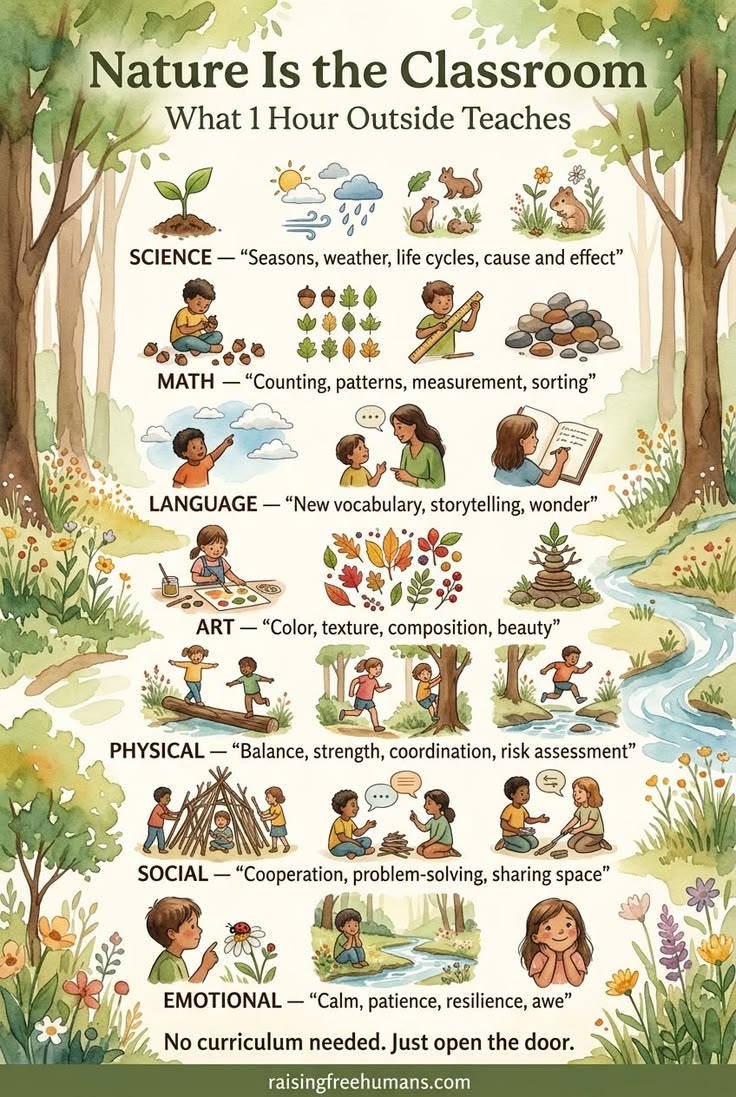
Education does not always happen inside buildings.
A healthy farm provides opportunities to understand soil, water, trees, biodiversity, wildlife, and ecological relationships through direct experience.
Walking through fields, observing natural systems, and participating in farm activities often create deeper understanding than reading alone.
The land itself becomes the teacher.
The Amrut Krushi Perspective
At Amrut Krushi, learning is woven into everyday work.
Students, farmers, volunteers, and visitors are encouraged to observe, ask questions, and understand the principles behind every farming practice. The goal is not only to regenerate the land but also to inspire people with the knowledge and confidence to apply regenerative practices in their own communities.
Every visit to the farm is an opportunity to learn something new.
Conclusion
A farm is much more than a place where food is grown.
It is a place where knowledge is cultivated, experiences are shared, and future generations learn to care for the land.
The best classrooms often have no walls, only open skies and living soil.