





Learning by Observation
Books can teach principles, but nature teaches experience.
The most valuable lessons in farming often come from spending time in the field, observing the land closely and understanding how natural systems respond to changing conditions. Every walk through a farm presents an opportunity to discover something new.
In regenerative agriculture, observation is not just a habit it is a skill that leads to better decisions and healthier ecosystems.
Nature Is Always Communicating
The land is constantly sending signals.
A careful observer notices small changes that others might overlook, such as:
- The colour of leaves
- The smell and texture of the soil
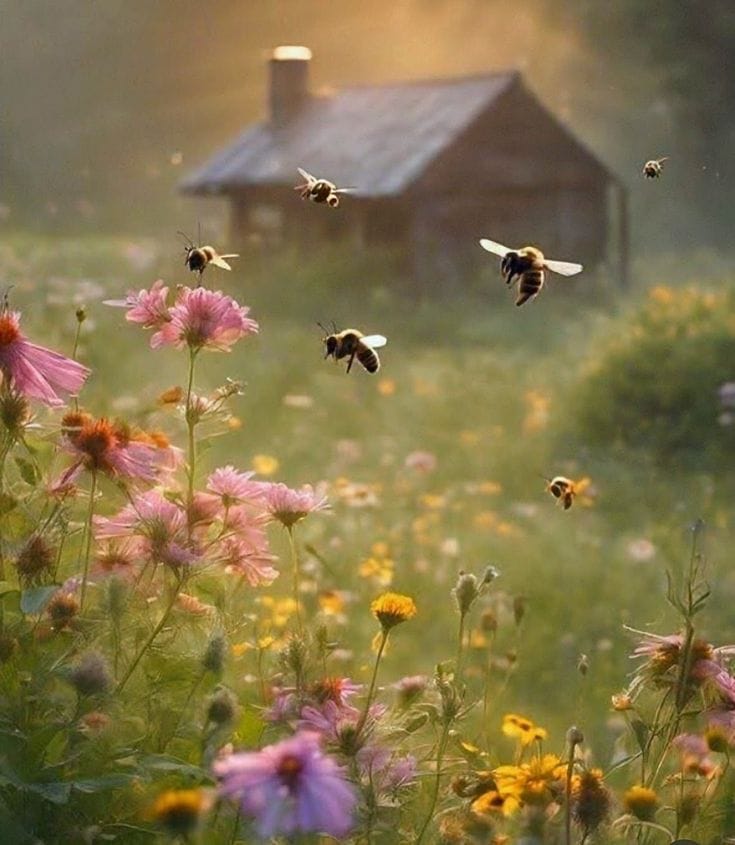
- The arrival of birds and pollinators
- The flowering of trees and native plants
- The movement and absorption of water after rainfall
- The presence of insects and other wildlife
Each observation provides valuable information about the health of the ecosystem.
Small Changes Reveal Bigger Patterns
Many environmental changes begin gradually.
By observing the farm regularly, farmers can identify potential problems before they become serious. Likewise, they can recognize positive changes that indicate improving soil health, biodiversity, or water conservation.
Observation helps transform uncertainty into understanding.
Experience Builds Knowledge
While books provide scientific knowledge and farming principles, practical experience develops wisdom.
The more time spent observing the land, the better a farmer understands seasonal patterns, plant behaviour, soil conditions, and ecological relationships.
Every season becomes a new opportunity to learn directly from nature.
Observation Leads to Better Decisions
Careful observation supports more informed farming practices.
Instead of reacting after problems appear, farmers can make timely decisions based on what they see happening in the field. This leads to healthier crops, stronger ecosystems, and more sustainable management of natural resources.
Observation is one of the foundations of regenerative agriculture.
The Amrut Krushi Perspective
At Amrut Krushi, observation is encouraged as an essential part of learning and research.
Inspired by the principles of Natueco Science, the farm is viewed as a living classroom where every season offers new lessons. Farmers, students, researchers, and visitors are encouraged to observe carefully, ask questions, document their findings, and learn directly from nature.
The land is always communicating we simply need to learn its language.
Conclusion
Observation is not passive. It is one of the most powerful tools in regenerative agriculture.
By paying close attention to the soil, plants, water, wildlife, and seasonal changes, we gain insights that help us work in harmony with nature.
The greatest teacher is often not found in a classroom, but in the quiet lessons the land shares every day.