





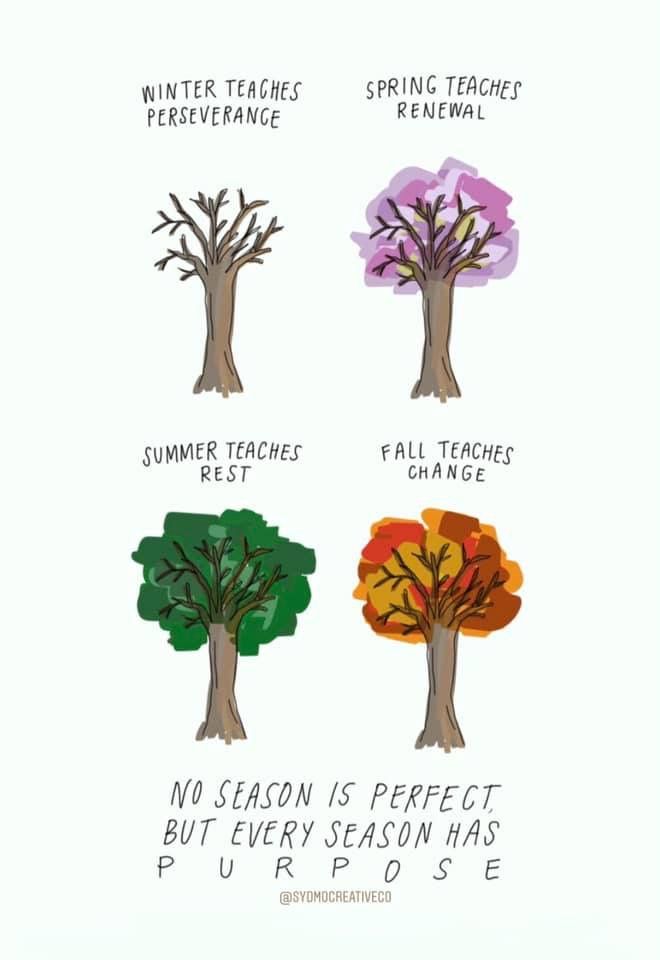
Every Season Has a Purpose
Nature never wastes a season.
Every change in weather, temperature, and rainfall serves a purpose in maintaining the balance of natural ecosystems. Seasons are not obstacles to farming but opportunities to work in harmony with the land.
Regenerative agriculture recognizes that every season contributes to the long-term health and productivity of the landscape.
Every Season Plays a Unique Role
Each season supports different natural processes that are essential for healthy ecosystems.
The monsoon replenishes water resources, restores soil moisture, and encourages new plant growth.
Summer strengthens deep-rooted plants, highlights the importance of water conservation, and prepares the land to withstand dry conditions.
Winter creates favourable conditions for many crops to grow, mature, and produce healthy yields.
Together, these seasonal cycles maintain the balance of nature.
Working With Nature’s Rhythm
Instead of resisting seasonal changes, regenerative farming embraces them.
Each season presents opportunities to:
- Plant trees and crops
- Apply mulch to conserve soil moisture
- Prune trees for healthy growth
- Harvest crops at the right time
- Observe changes in biodiversity
- Improve soil health through natural processes
By aligning farming activities with seasonal rhythms, the land becomes healthier and more resilient.
Learning From Seasonal Changes
Every season teaches valuable lessons.
Changes in rainfall, temperature, vegetation, wildlife, and soil conditions help farmers understand how the landscape responds throughout the year.
Careful observation of these natural patterns allows better planning and more sustainable farming practices.
Nature provides guidance for those willing to pay attention.
Building Resilient Farms
Seasonal diversity strengthens agricultural systems.
Healthy farms adapt to changing weather rather than trying to control it. By improving soil health, conserving water, increasing biodiversity, and protecting natural resources, regenerative farms become better prepared for both favourable and challenging seasons.
Resilience grows through cooperation with nature.
The Amrut Krushi Perspective
At Amrut Krushi, our work follows the rhythm of nature rather than the calendar alone.
Every season is viewed as an opportunity to restore the landscape, improve soil health, conserve water, support biodiversity, and deepen our understanding of natural systems. By respecting seasonal cycles, we create farming practices that are sustainable, productive, and aligned with the wisdom of nature.
Conclusion
Every season has a purpose.
When we understand the role of each season, farming becomes less about controlling nature and more about cooperating with it.
By working with natural rhythms instead of against them, we build healthier soils, stronger ecosystems, and a more sustainable future for generations to come.