





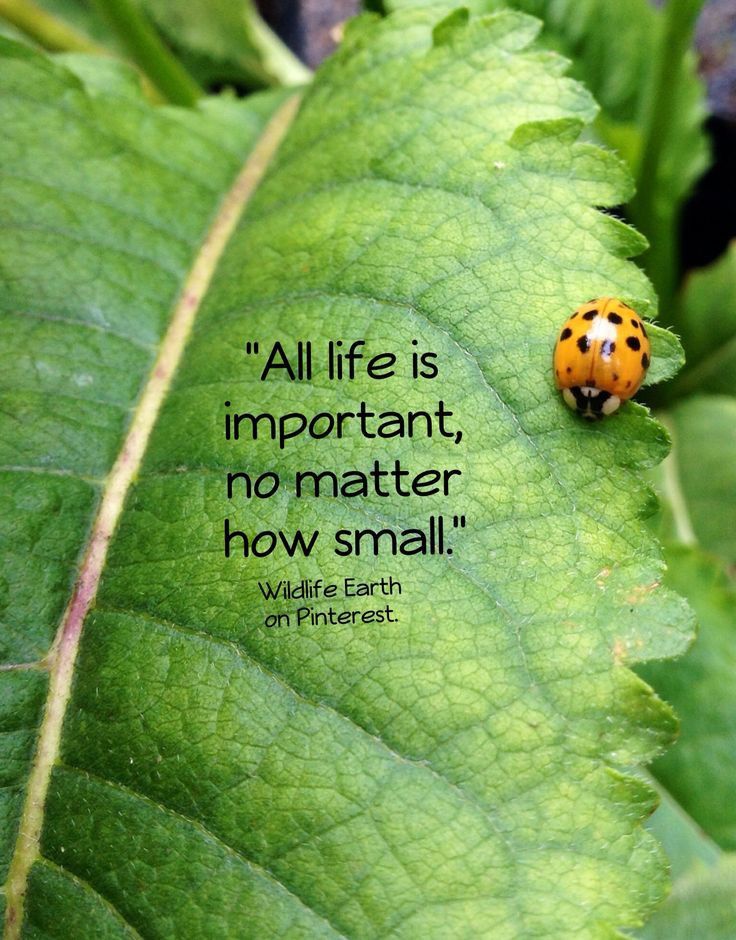
Small Creatures, Big Responsibilities
Some of the most important workers on a farm are also the smallest.
Bees, butterflies, spiders, earthworms, and countless microorganisms quietly perform essential tasks that keep ecosystems healthy and productive. Although they often go unnoticed, their contributions are vital to the success of agriculture and the balance of nature.
Regenerative farming recognizes that protecting these small creatures is just as important as caring for crops.
Nature’s Silent Workforce
Every small organism has a unique responsibility within the ecosystem.
Together, they help to:
- Pollinate flowers and crops
- Improve soil structure
- Recycle nutrients
- Control pest populations naturally
- Support biodiversity
- Maintain ecological balance
These natural processes occur every day without human intervention, making healthy ecosystems both productive and resilient.
Tiny Creatures, Enormous Impact
The health of a farm depends on the countless interactions between its smallest inhabitants.
Bees and butterflies transfer pollen that enables fruits and seeds to develop.
Spiders help keep harmful insect populations under control.
Earthworms loosen the soil, improve aeration, and increase water infiltration.
Beneficial microorganisms break down organic matter, releasing nutrients that nourish plants and build fertile soil.
Together, these living organisms form the foundation of a thriving agricultural system.
Creating Safe Habitats
Supporting biodiversity means creating an environment where these beneficial creatures can flourish.
Healthy habitats include:
- Flowering plants that provide nectar and pollen
- Healthy soils rich in organic matter
- Clean and accessible water sources
- Diverse vegetation that offers shelter
- Reduced use of chemical pesticides and fertilizers
When these conditions are protected, beneficial species continue performing the natural services that sustain the farm.
Working With Nature
Regenerative agriculture values cooperation instead of control.
Rather than relying entirely on artificial solutions, it encourages natural relationships that strengthen ecological balance. By protecting beneficial insects, soil organisms, and wildlife, farmers create systems that are healthier, more productive, and better able to adapt to environmental change.
Nature performs its best work when its living communities are allowed to thrive.
The Amrut Krushi Perspective
At Amrut Krushi, we celebrate these small allies because they remind us that every living being has a role in maintaining ecological balance.
By protecting pollinators, improving soil health, conserving biodiversity, and reducing unnecessary chemical use, we create habitats where beneficial organisms can flourish. These invisible partnerships strengthen the farm and contribute to a resilient, regenerative ecosystem.
Conclusion
Small creatures carry big responsibilities.
Though often overlooked, they pollinate crops, enrich the soil, recycle nutrients, and help maintain the natural balance that agriculture depends upon.
Healthy ecosystems are built through countless invisible partnerships, and by protecting these remarkable organisms, we help secure a healthier future for our farms and the planet.