




Why Healthy Farms Need Healthy Insects
Many people think of insects only as pests, but the vast majority of insects are beneficial.
They pollinate crops, recycle nutrients, improve soil health, and help maintain the natural balance of ecosystems. Without insects, agriculture and the environment would struggle to function.
In regenerative farming, insects are valued as essential partners rather than unwanted visitors.
Nature’s Tiny Workforce
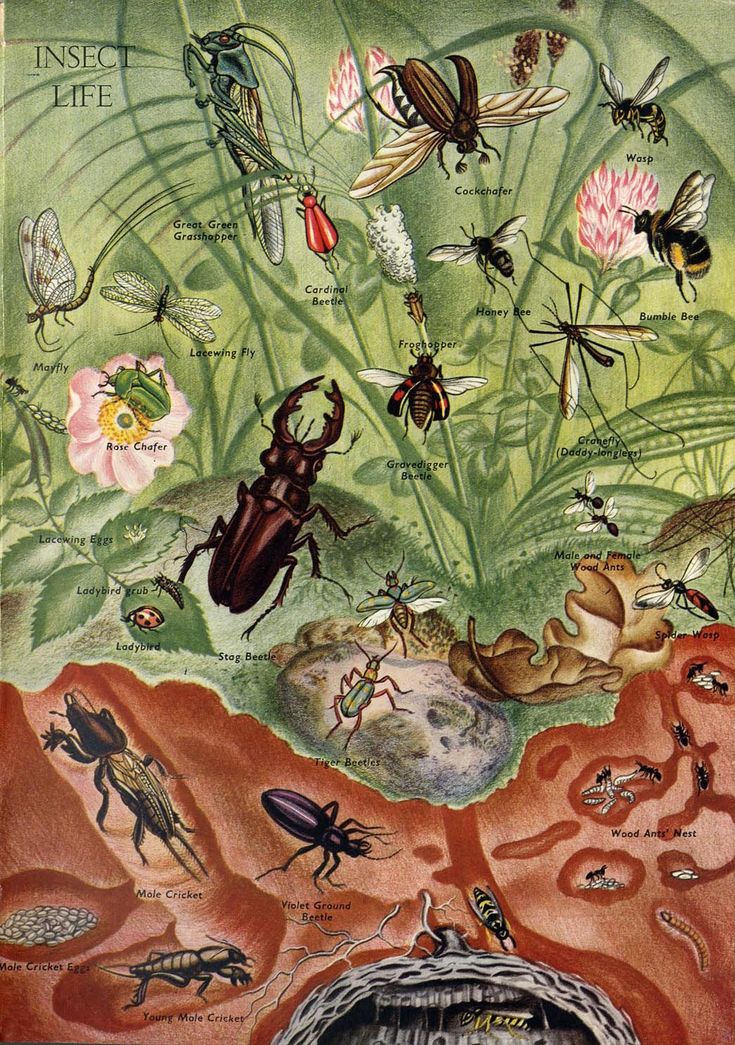
Insects perform countless tasks that keep ecosystems healthy.
Some of their important roles include:
- Bees and butterflies pollinate flowers and crops.
- Ladybirds help control aphid populations.
- Dragonflies reduce mosquito numbers.
- Dung beetles recycle animal waste and improve soil fertility.
- Many insects provide food for birds, reptiles, and other wildlife.
Each species contributes to the health and stability of the landscape.
Pollinators Make Harvests Possible
Many fruits, vegetables, and flowering plants depend on pollinating insects.
As bees, butterflies, and other pollinators move from flower to flower, they enable plants to produce seeds and fruits. Without these natural pollinators, crop yields and biodiversity would decline significantly.
Protecting pollinators is essential for sustainable agriculture.
Insects Support Healthy Ecosystems
Insects do much more than pollinate plants.
They recycle organic matter, improve nutrient cycling, naturally control pests, and form an important part of the food chain.
A healthy insect population supports birds, reptiles, amphibians, and many other forms of wildlife, creating a balanced ecosystem where life supports life.
Creating Habitats for Beneficial Insects
Regenerative farming encourages insects by creating environments where they can thrive.
This includes:
- Growing flowering plants
- Maintaining healthy soil
- Providing clean water sources
- Preserving natural vegetation
- Reducing unnecessary chemical use
- Protecting biodiversity
These practices help maintain a balanced insect population that strengthens the entire ecosystem.
The Amrut Krushi Perspective
At Amrut Krushi, insects are viewed as partners in building resilient ecosystems.
By protecting pollinators, improving soil health, increasing biodiversity, and creating healthy habitats, we encourage beneficial insect populations that contribute to sustainable farming and ecological restoration.
Every small creature plays an important role in maintaining the balance of nature.
Conclusion
Healthy farms depend on healthy insects.
From pollinating crops and recycling nutrients to supporting wildlife and maintaining ecological balance, insects perform essential tasks every day.
The smallest creatures often perform the biggest jobs.
By protecting them, we protect the future of agriculture and the health of our planet.