

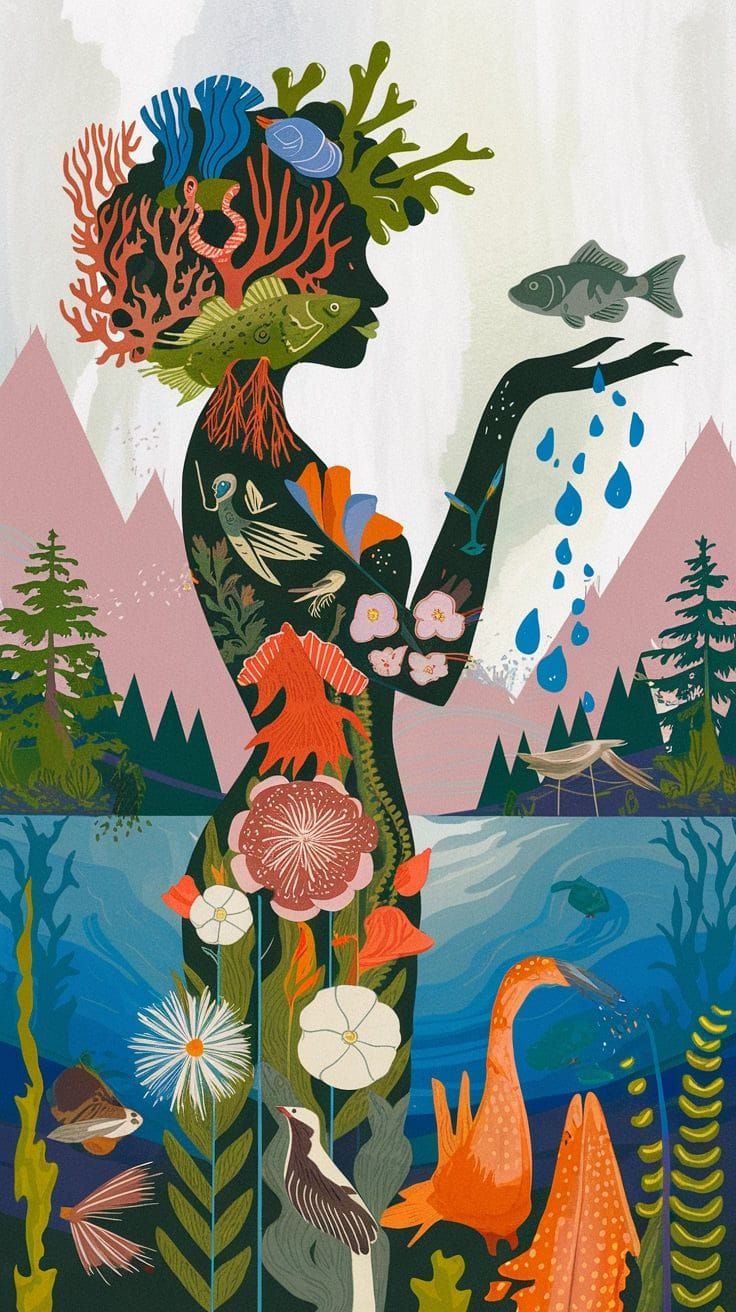
Nature Rewards Diversity
Walk through a healthy forest and you will find trees of different heights, shrubs, herbs, grasses, climbers, fungi, birds, insects, and countless unseen organisms.
Each species contributes something unique to the ecosystem. Together, they create a landscape that is balanced, resilient, and capable of adapting to change.
Regenerative agriculture follows the same principle by encouraging diversity at every level of the farm.
Every Species Has a Purpose
Nature thrives because every living organism performs a specific role.
Some plants enrich the soil by fixing nitrogen.
Flowering plants attract pollinators that support fruit and seed production.
Fungi and microorganisms recycle nutrients and improve soil fertility.
Trees provide shade, shelter, and organic matter.
Birds and beneficial insects help maintain ecological balance.
Every species strengthens the ecosystem in its own way.
Diversity Builds Resilience
A diverse landscape is naturally more stable.
When many different plants and animals coexist, the ecosystem becomes better equipped to withstand changing weather, pests, diseases, and environmental stress.
Diversity reduces risk while improving the long-term health and productivity of the land.
Healthy ecosystems rely on variety rather than uniformity.
Healthy Farms Support Healthy Ecosystems
Regenerative farming creates conditions where many forms of life can thrive together.
This includes:
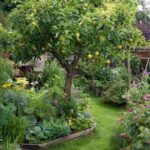
- Planting native trees and diverse vegetation
- Protecting pollinators and beneficial insects
- Improving soil health with organic matter
- Conserving water through natural methods
- Creating habitats for birds and wildlife
- Encouraging healthy soil microorganisms
These practices strengthen natural processes and reduce dependence on external inputs.
Designing With Nature
Nature does not create ecosystems by accident.
Every forest develops through relationships between soil, water, plants, animals, and microorganisms.
Regenerative farming follows these natural patterns by designing landscapes that encourage cooperation between living organisms instead of relying on isolated solutions.
The result is a farm that becomes healthier and more resilient with time.
The Amrut Krushi Perspective
At Amrut Krushi, diversity is not just encouraged it is designed into the landscape.
Through the integration of native trees, food forests, flowering plants, healthy soil, water conservation, and biodiversity-friendly practices, we create farming systems that support both agricultural productivity and ecological balance.
Every living organism is recognised as an important part of a thriving ecosystem.
Conclusion
Nature rewards diversity.
The richer the relationships within an ecosystem, the stronger and more resilient it becomes.
By protecting biodiversity and designing farms that work with nature, we create landscapes that are productive, sustainable, and capable of supporting life for generations to come.