





Rain Is Only the Beginning
When the first raindrops touch the earth, many people believe the work is complete. For a regenerative farmer, however, the real work has only just begun.
Rain alone does not guarantee a healthy harvest. The true measure of success is how much of that rainfall is captured, stored, and used to nourish the landscape long after the clouds have disappeared.
In regenerative agriculture, every drop of rain is an opportunity to strengthen the land.
Every Drop Matters
Rainfall is one of nature’s greatest gifts.
The important question is not, “How much rain did we receive?” but “How much rain did we retain?”
Water that soaks into the soil supports crops, replenishes groundwater, and keeps the landscape healthy during dry periods.
Every drop conserved today becomes a resource for tomorrow.
Preparing the Land to Receive Rain
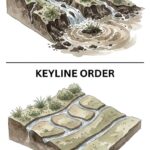
A healthy landscape is designed to welcome rainwater.
Practices that improve water retention include:
- Building contour bunds
- Maintaining farm ponds
- Applying mulch
- Planting and protecting trees
- Increasing organic matter in the soil
- Conserving natural vegetation
Together, these practices slow the movement of water, reduce runoff, and allow rainfall to penetrate deep into the ground.
Healthy Soil Stores Water
Healthy soil acts like a natural reservoir.
Rich in organic matter and supported by active soil life, it absorbs rainfall more effectively and holds moisture for longer periods.
This stored water nourishes plant roots, supports microorganisms, and helps crops survive during dry weather.
Healthy soil transforms rainfall into long-term water security.
Working With Nature
Nature has perfected the art of water conservation.
Forests rarely waste rainfall because trees, leaf litter, roots, and healthy soil work together to capture and store water naturally.
Regenerative farming follows these same principles by creating landscapes that slow, spread, and absorb rainfall instead of allowing it to flow away.
The goal is to keep water where it is needed most.
The Amrut Krushi Perspective
At Amrut Krushi, rainfall is seen as an opportunity rather than a guarantee.
Every effort is made to prepare the land before the rains arrive through soil restoration, mulching, tree plantation, contour bunding, water harvesting, and increasing organic matter. These practices help ensure that every possible drop of rain contributes to healthier soil, stronger ecosystems, and long-term water security.
Conclusion
Rain is only the beginning.
The future of farming depends not only on how much rain falls, but on how well the land is prepared to receive it.
Rain falls from the sky, but water security is created on the ground.