


The Farmer Who Listens
A good farmer knows how to work hard. A great farmer also knows how to listen.
The land is constantly communicating through changes in plants, soil, water, insects, birds, and weather. A farmer who learns to recognise these signals can make better decisions and work more effectively with nature.
In regenerative agriculture, listening to the land is just as important as working on it.
The Land Has Many Voices
Nature communicates in many different ways.
Wilting leaves may indicate water stress.
Certain weeds can reveal important information about soil conditions.
The return of birds may signal that the ecosystem is becoming healthier.
Earthworms are a sign of active and living soil.
Each of these observations provides valuable information about what is happening within the landscape.
Observation Leads to Understanding
The land does not always communicate through obvious changes.
Sometimes the signs are subtle. A change in soil texture, a different pattern of plant growth, or an increase in insect activity can reveal important information.
Regular observation helps farmers notice these changes early and understand what the landscape needs.
The more carefully we observe, the better we understand.
Farming as a Conversation
Farming is often described as a battle against pests, weather, weeds, or difficult conditions.
Regenerative agriculture takes a different approach.
It views farming as a conversation with nature.
Instead of immediately trying to control every change, the farmer first asks why it is happening. This approach encourages curiosity, patience, and better decision-making.
Nature provides feedback, and the farmer learns to respond.
Every Season Provides Feedback
Every season brings new information.
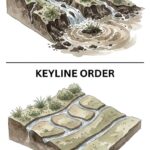
Rainfall reveals how effectively the land absorbs water.
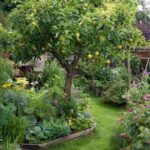
Plant growth shows the condition of the soil.
Bird activity provides clues about biodiversity.
The presence of earthworms and microorganisms reflects the health of the soil.
By paying attention to these signals, farmers can continuously improve the way they manage the land.
The Amrut Krushi Perspective
At Amrut Krushi, we believe that farming is not a battle against nature but a conversation with it.
Every season, every rainfall, and every new plant offers feedback. Through careful observation and the principles of Natueco Science, we seek to understand these signals and use them to make wiser decisions for the land.
Listening is an essential part of regenerative farming.
Conclusion
The best farmers are not only those who work hard but also those who know how to listen.
Nature is constantly communicating through soil, plants, water, insects, birds, and countless other forms of life.
The more carefully we listen to the land, the wiser our decisions become.