

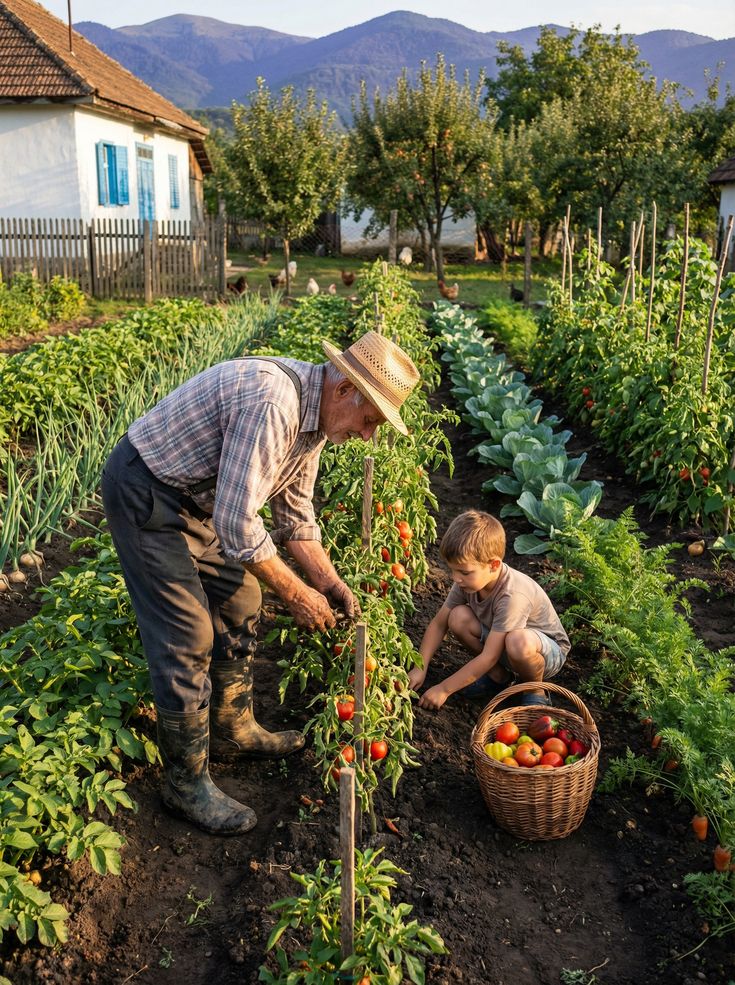
Farming for Seven Generations
Many traditional cultures made decisions by asking a simple question:
“Will this benefit the next seven generations?”
This way of thinking encourages us to look beyond immediate results and consider the long-term impact of every decision we make on the land.
Regenerative agriculture embraces this long-term perspective by focusing on actions that strengthen ecosystems and create lasting benefits for future generations.
Thinking Beyond the Present
The work we do today can continue to benefit people long after we are gone.
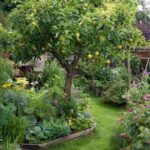
A tree planted today may provide shade to future families.
Healthy soil built today may nourish children who are not yet born.
Restored water systems may support communities for decades.
Biodiversity protected today can continue supporting countless forms of life far into the future.
Every responsible decision becomes part of a much larger legacy.
The Land Is a Responsibility
The land does not truly belong to any one generation.
We inherit it, care for it during our lifetime, and eventually pass it on to those who come after us.
This perspective changes the way we approach farming. Instead of asking only what the land can provide today, we begin asking how our actions will affect its health tomorrow.
Good stewardship means leaving the land stronger than we found it.
Building for the Future
Long-term farming requires patience and thoughtful decisions.
Practices such as:
- Building healthy soil
- Planting and protecting trees
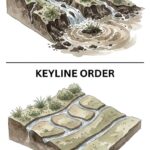
- Conserving rainwater
- Preserving native seeds
- Encouraging biodiversity
- Recycling biomass
create benefits that continue to grow over time.
These efforts may not always produce immediate results, but they build the foundation for healthier and more resilient landscapes.
Success Beyond the Harvest
A successful farm should be measured by more than the amount of food it produces.
Its success can also be seen in the health of its soil, the availability of water, the diversity of its wildlife, and the strength of the relationship between people and nature.
A farm that becomes healthier with every generation creates a legacy far more valuable than a single season’s harvest.
The Amrut Krushi Perspective
At Amrut Krushi, every action is guided by the belief that we are temporary caretakers of the land.
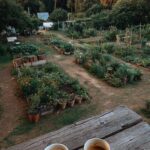
Our responsibility is to improve the soil, conserve water, protect biodiversity, and create healthy ecosystems that can continue supporting life for generations.
The goal is not simply to farm for today, but to care for the land in a way that benefits those who will inherit it tomorrow.
Conclusion
Farming for seven generations means thinking beyond our own lifetime.
It means planting trees whose shade we may never enjoy, building soil that future farmers will depend upon, and protecting biodiversity that will continue to support life long after we are gone.
True success is measured not only by the harvest we gather today, but by the living legacy we leave for those who come after us.