

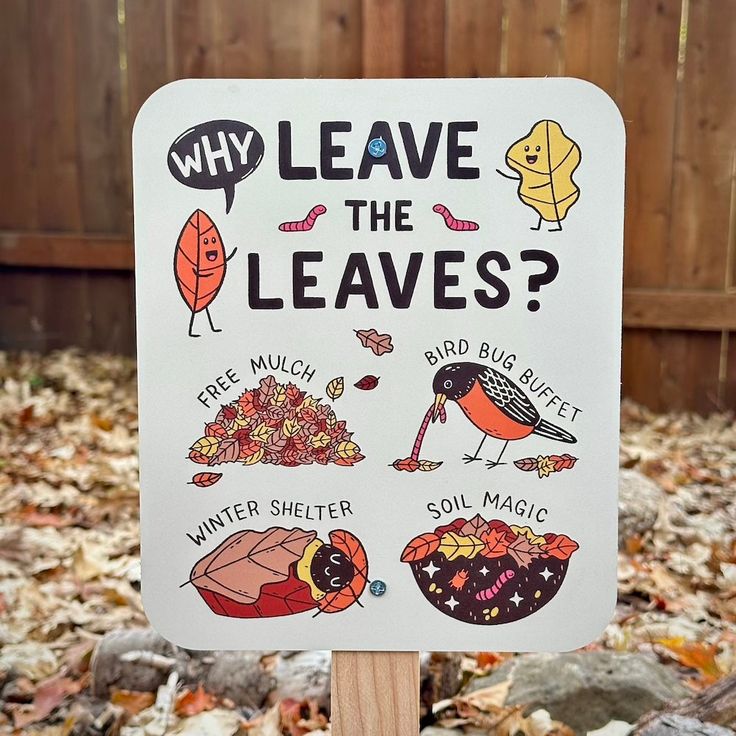
Fallen Leaves Are Not Litter
When autumn arrives, trees quietly cover the ground with leaves. To many people, fallen leaves may look like waste that needs to be removed. To nature, however, they are a valuable resource and an essential part of the cycle of regeneration.
Every fallen leaf carries nutrients and organic matter that can return to the soil. As leaves decompose, they support fungi, bacteria, insects, earthworms, and countless other organisms that help maintain healthy soil.
Fallen Leaves Feed the Soil
Leaves are an important source of organic matter.
As microorganisms and decomposers break them down, their nutrients gradually return to the soil. Over time, this organic material contributes to the formation of humus, helping improve soil fertility and support healthy plant growth.
What appears to be a dead leaf is actually the beginning of another cycle of life.
Nature’s Protective Blanket
In a natural forest, nobody sweeps away fallen leaves.
Instead, they accumulate on the soil surface and form a protective layer. This natural blanket helps:
- Conserve soil moisture
- Protect the soil from direct sunlight
- Reduce erosion
- Moderate soil temperature
- Provide habitat for insects and microorganisms
- Return nutrients to the soil
The forest floor becomes a living system where decomposition and new growth happen continuously.
Fallen Leaves Support Biodiversity
A layer of fallen leaves provides shelter and food for many small organisms.
Insects, fungi, bacteria, earthworms, and other decomposers depend on organic material as part of their natural life cycle. These organisms, in turn, become food for birds, reptiles, and other wildlife.
A simple layer of leaves can therefore support an entire network of life.
Nature Does Not Create Waste
In natural ecosystems, one organism’s waste often becomes another organism’s resource.
Fallen leaves become food for decomposers.
Decomposers release nutrients that support plants.
Plants grow, produce more leaves, and continue the cycle.
This continuous recycling allows ecosystems to maintain fertility without depending on external inputs.
The Amrut Krushi Perspective
At Amrut Krushi, fallen leaves are valued as nature’s own mulch.
Instead of removing them unnecessarily, they are returned to the soil where they can protect the surface, support soil organisms, conserve moisture, and gradually contribute to soil fertility.
By following this natural process, we allow valuable nutrients and organic matter to remain within the farm ecosystem.
Conclusion
Fallen leaves are not litter.
They are a gift from trees and an important resource for the soil. What appears to be the end of a leaf’s life is actually the beginning of another cycle of growth and nourishment.
Nature’s waste is always another organism’s food.