

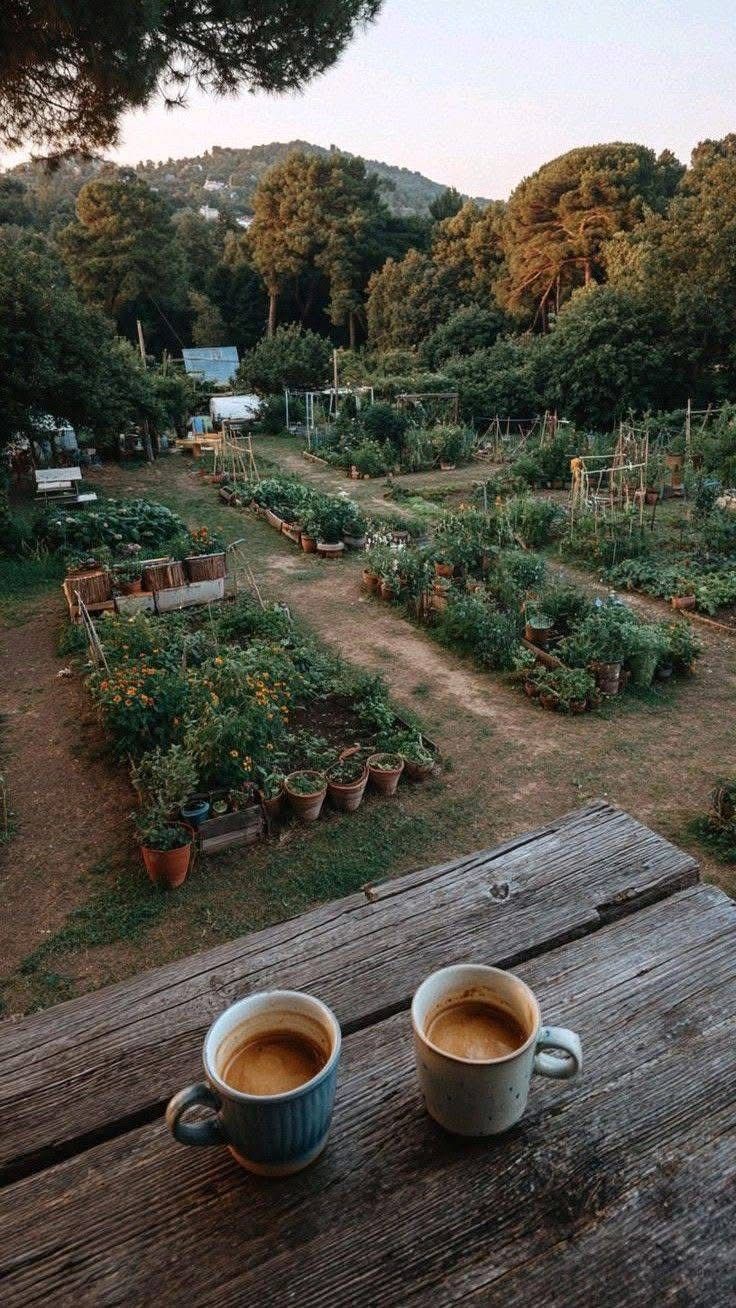
The Farm as a Living Laboratory
A research centre does not always need walls, laboratories, and complicated equipment. Sometimes, the most valuable laboratory is a living landscape.
A farm is a dynamic system where soil, plants, water, microorganisms, insects, birds, and other forms of life interact continuously. When we observe these relationships carefully, the land itself becomes a source of knowledge and discovery.
At Amrut Krushi, the farm serves as a place where observation, experimentation, and learning happen together.
The Land Has Questions to Ask
Every field, tree, water body, and patch of soil can provide an opportunity to learn.
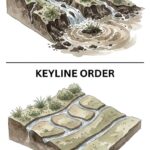
How does biomass affect soil health? Which plants grow well together? How does water move through the landscape? What happens when organic matter is returned to the soil? Which species begin to return as biodiversity increases?
These questions encourage us to look beyond individual farming practices and understand the relationships that connect different parts of the ecosystem.
Learning Through Observation
Not every agricultural question can be answered through books or existing theories alone.
Real landscapes are constantly changing. Soil conditions differ, weather patterns vary, and every farm has its own ecological characteristics. Understanding what works therefore requires direct observation and practical experience.
Careful observation allows farmers and researchers to notice changes, identify patterns, and ask better questions.
Experimentation Requires Patience
A living laboratory is not a place where every experiment produces an immediate answer.
Some changes in soil, vegetation, water, and biodiversity take time to become visible. This makes patience an essential part of agricultural research.
At Amrut Krushi, observation is combined with experimentation and documentation. By recording what happens over time, experiences from the field can become useful knowledge for future learning.
The Farm as a Natueco Science Research Centre
As a Natueco Science Research Centre, Amrut Krushi uses the farm itself as a living laboratory.
The intention is not simply to follow established practices without question. It is to understand the principles behind those practices and observe how they perform under real conditions.
The farm provides an opportunity to test ideas in a living environment, observe their effects, and learn from the results.
This approach encourages agriculture to become a continuous process of questioning, observing, experimenting, and improving.
Bringing Research Back to the Field
Research becomes meaningful when knowledge returns to the place where it can create practical value.
A discovery made through observation should not remain only in notes or discussions. It should help improve the way we understand and care for the land.
When research and farming remain connected, every experiment can become a source of learning, and every observation can lead to a better question.
Conclusion
The most valuable agricultural laboratory may already be around us.
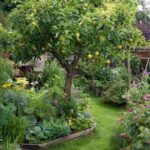
A field can teach us about soil. A pond can teach us about water. A tree can teach us about biodiversity. And an entire farm can teach us how different elements of nature work together.
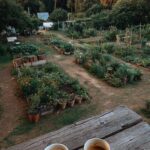
At Amrut Krushi, the farm is not simply a place where crops are grown. It is a living environment where knowledge is observed, tested, documented, and returned to the field.