





Grow Food, Not Just Crops
A crop is often measured by a simple number: how much was harvested.
Yield is important, but it does not tell the whole story of a successful farming system. A healthy farm produces much more than food. It can build fertile soil, increase organic matter, provide habitat for pollinators and birds, conserve water, create shade, and generate knowledge that can improve farming practices over time.
The real value of agriculture can therefore be measured not only by what leaves the farm, but also by what the farm gains while producing it.
Beyond Yield
Traditional measures of agricultural success often focus on production. How many kilograms were harvested? How much land was cultivated? How much income was generated?
These questions are useful, but they provide only part of the picture.
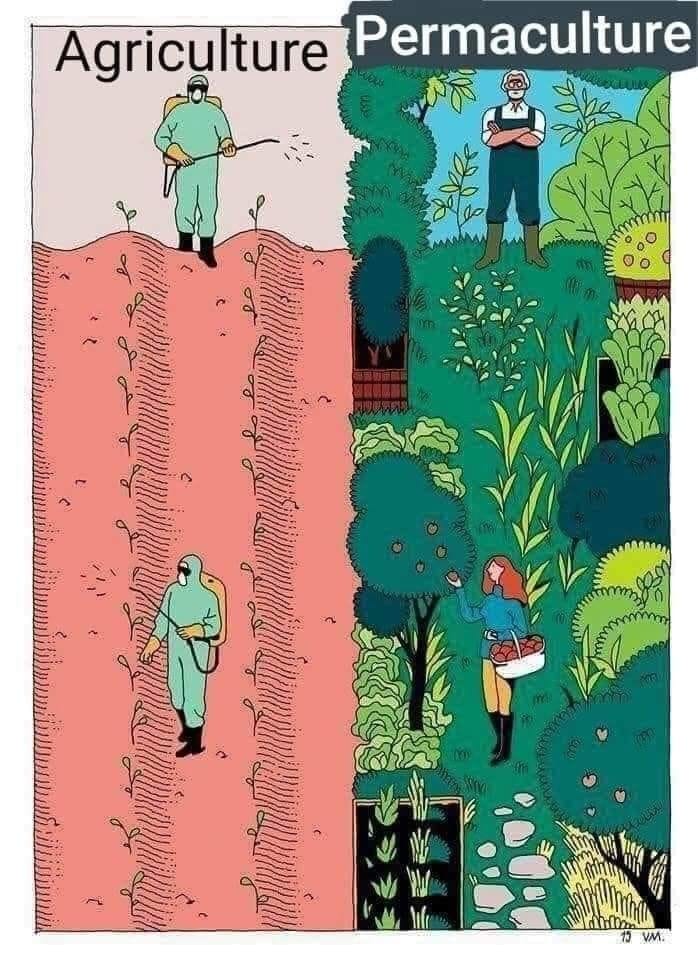
A farm is a living ecosystem. While producing food, it can also improve soil structure, support biodiversity, recycle organic matter, and strengthen natural processes.
A productive farm should therefore be evaluated by both its harvest and the health of the system that produces that harvest.
What Else Does a Farm Produce?
A healthy farming system can create many forms of value beyond crops.
It can produce:
- Fertile and biologically active soil
- Organic matter and biomass
- Habitat and food for pollinators
- Shelter and food for birds and other wildlife
- Shade and vegetation cover
- Better water retention and cleaner water
- Knowledge gained through observation and experimentation
- Opportunities for farmers and local communities
These benefits may not always appear in a harvest report, but they contribute significantly to the long-term resilience of the farm.
A Different Question About Success
This leads to an important shift in thinking.
Instead of asking only, “How much did we produce?”, we can also ask:
“What did the farm become while producing it?”
Did the soil become healthier?
Did biodiversity increase?
Did more organic matter return to the land?
Did the farm become better at conserving water?
Did it create better conditions for birds, insects, and other forms of life?
These questions help us understand whether agricultural production is strengthening the ecosystem or simply extracting from it.
Agriculture as an Opportunity for Regeneration
At Amrut Krushi, agriculture is viewed as an opportunity to regenerate the entire ecosystem while producing nutritious food.
This means looking at food production as part of a larger natural system. Soil, water, plants, animals, microorganisms, and people are all connected.
When farming practices support these relationships, food production can happen alongside ecological improvement.
Leaving the Land Richer
A truly successful farm does not simply take resources from the land and move on. It works toward maintaining and improving the conditions that make future production possible.
Healthy soil supports healthy plants. Diverse ecosystems support pollinators and wildlife. Organic matter helps maintain soil life. Good water management strengthens the resilience of the landscape.
When these elements improve together, the farm becomes more capable of sustaining life and production over the long term.
Conclusion
Growing food is one of agriculture’s most important purposes, but it does not have to be its only outcome.
The best farming systems can produce nutritious food while also producing fertile soil, biodiversity, organic matter, water resilience, knowledge, and opportunities for people.
At Amrut Krushi, the goal is not simply to grow more crops. It is to build a healthier and more regenerative ecosystem through agriculture.
A truly successful farm does not merely extract from the land. It leaves the land richer.