

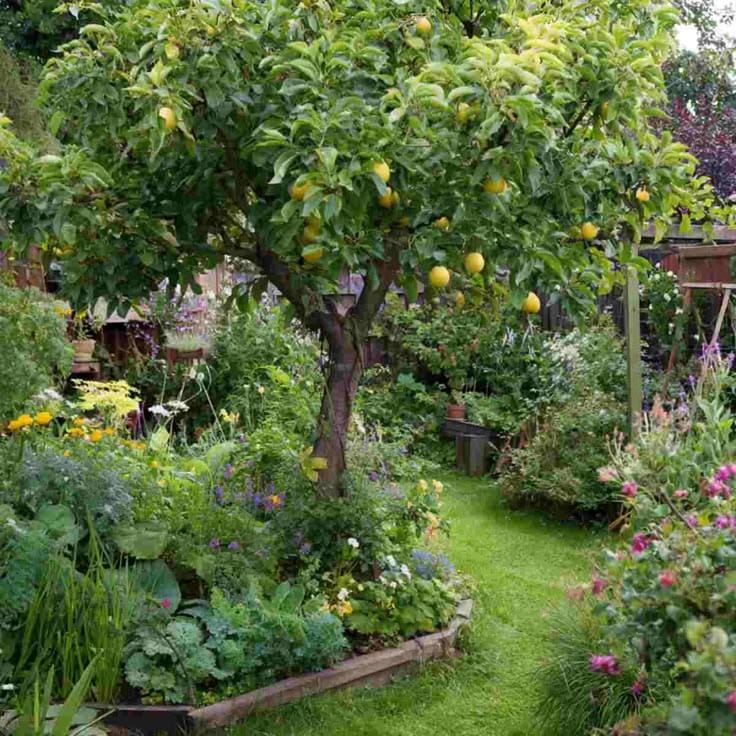
Plants Can Work Together
In natural ecosystems, plants rarely grow as isolated individuals. A forest, grassland, or diverse landscape is made up of many different plants growing alongside one another, each occupying its own space and contributing to the larger ecosystem.
Trees, shrubs, herbs, grasses, climbers, and groundcovers can occupy different layers of the landscape and use resources in different ways. Together, they create a more complex and functional system.
Different Plants Have Different Roles
Every plant can contribute something to the ecosystem.
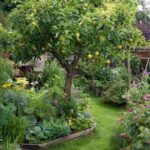
Tall trees can provide shade and shelter. Shrubs can occupy the middle layers of vegetation. Grasses and groundcovers can protect the soil surface from direct exposure. Climbers can use existing structures to reach sunlight.
Some plants attract pollinators, while others contribute leaves, stems, and roots that eventually become biomass and return organic matter to the soil.
When these different roles work together, the farm can function more like a natural ecosystem.
Sharing Space and Resources
Plants growing together do not necessarily compete for everything in the same way.
Different plants can occupy different levels, develop different root systems, and use available sunlight, water, and nutrients differently. This creates opportunities for multiple types of vegetation to exist within the same landscape.
The goal is not simply to put as many plants as possible into one area. It is to understand which plants can coexist and how their characteristics can complement one another.
A Different Question for Farming
Instead of asking only:
“Which single crop should occupy this piece of land?”
we can ask:
“Which combination of plants can support one another here?”
This simple change in thinking can open the door to more diverse farming systems.
A combination of trees, shrubs, herbs, grasses, and groundcovers can create different habitats, protect soil, provide food for pollinators, and continuously contribute organic material to the land.
From Crops to Ecosystems
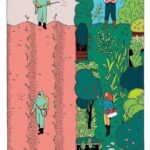
When a farm is designed around a single crop, it can be easy to view each plant as an individual production unit.
A diverse farming system encourages us to see the relationships between plants instead.
Shade, soil cover, biomass, habitat, pollination, and nutrient cycling can become interconnected parts of the same system.
The farm gradually becomes more than a collection of individual crops. It becomes a functioning ecosystem.
Learning From Plant Relationships
At Amrut Krushi, plant relationships are an important part of observing and understanding regenerative agriculture.
By observing which plants grow well together, how they respond to their surroundings, and what they contribute to the landscape, we can learn more about how diversity can support regeneration.
The farm becomes a place to observe not only individual plants but also the relationships that develop between them.
Nature Rarely Grows in Monocultures
Natural landscapes are usually characterized by diversity. Different plants occupy different spaces, perform different functions, and interact with countless other forms of life.
Regenerative agriculture can learn from this principle by creating farming systems where plants have complementary roles and where diversity becomes part of the farm’s strength.
Conclusion
Plants do not always need to grow separately to thrive. In the right combinations, they can create relationships that support the wider ecosystem.
Trees can provide shade, groundcovers can protect soil, flowering plants can support pollinators, and many plants can contribute biomass that returns to the land.
At Amrut Krushi, understanding these relationships is an important part of learning how regenerative agriculture can work with natural systems.
Nature rarely grows in monocultures.