

A Farm Is a Classroom
Every day on a farm offers a lesson. Unlike traditional classrooms with fixed schedules and textbooks, the lessons of farming unfold through observation, experience, and interaction with nature.
A seed teaches patience. Growth cannot be rushed, and meaningful results often require time, care, and persistence.
A compost pile teaches transformation. What appears to be waste gradually becomes a valuable resource that nourishes life and restores fertility to the soil.
A drought teaches conservation. It reminds us of the importance of managing resources wisely and preparing for uncertainty.
A storm teaches resilience. Nature demonstrates that strength is not about resisting change but learning how to adapt and recover from challenges.
Learning Through Observation
The land constantly provides feedback. Every season, every crop, and every weather pattern offers valuable insights.
Some lessons arrive gently through successful harvests and healthy growth. Others arrive through unexpected challenges that encourage reflection and improvement.
Farmers who pay close attention to these signals develop a deeper understanding of the natural systems that support life.
Observation becomes one of the most valuable skills in agriculture, helping farmers make informed decisions while working in harmony with nature.
Nature as the Greatest Teacher
Modern education often relies on books, lectures, and structured instruction. While these tools are valuable, nature offers lessons that cannot always be found in classrooms.
The rhythms of the seasons teach timing.
Healthy ecosystems teach balance.
Biodiversity teaches cooperation.
Natural cycles teach sustainability.
By observing these patterns, we gain insights that extend beyond farming and apply to many aspects of life.
A Journey of Continuous Learning
At Amrut Krushi, farming is viewed as a continuous learning journey. There are no final answers, only deeper observations and better questions.
Every growing season presents new opportunities to learn. Changes in climate, soil conditions, crop performance, and ecosystem interactions continually expand our understanding of the land.
The willingness to learn, adapt, and improve is one of the most important qualities a farmer can possess.
Learning Together
A farm creates opportunities for learning at every level.
Students discover the fundamentals of nature and food systems.
Volunteers gain hands-on experience and practical skills.
Farmers exchange knowledge and improve their practices.
Visitors develop a deeper appreciation for the effort and care involved in sustainable agriculture.
When people step onto the land, they become active participants in the learning process.
The Amrut Krushi Perspective
At Amrut Krushi, education is not separated from farming. The farm itself serves as a living classroom where people can connect with nature, observe ecological processes, and understand the principles of regeneration.
Every seed planted, every compost pile built, and every tree nurtured becomes part of a larger lesson about stewardship, sustainability, and respect for natural systems.
Conclusion
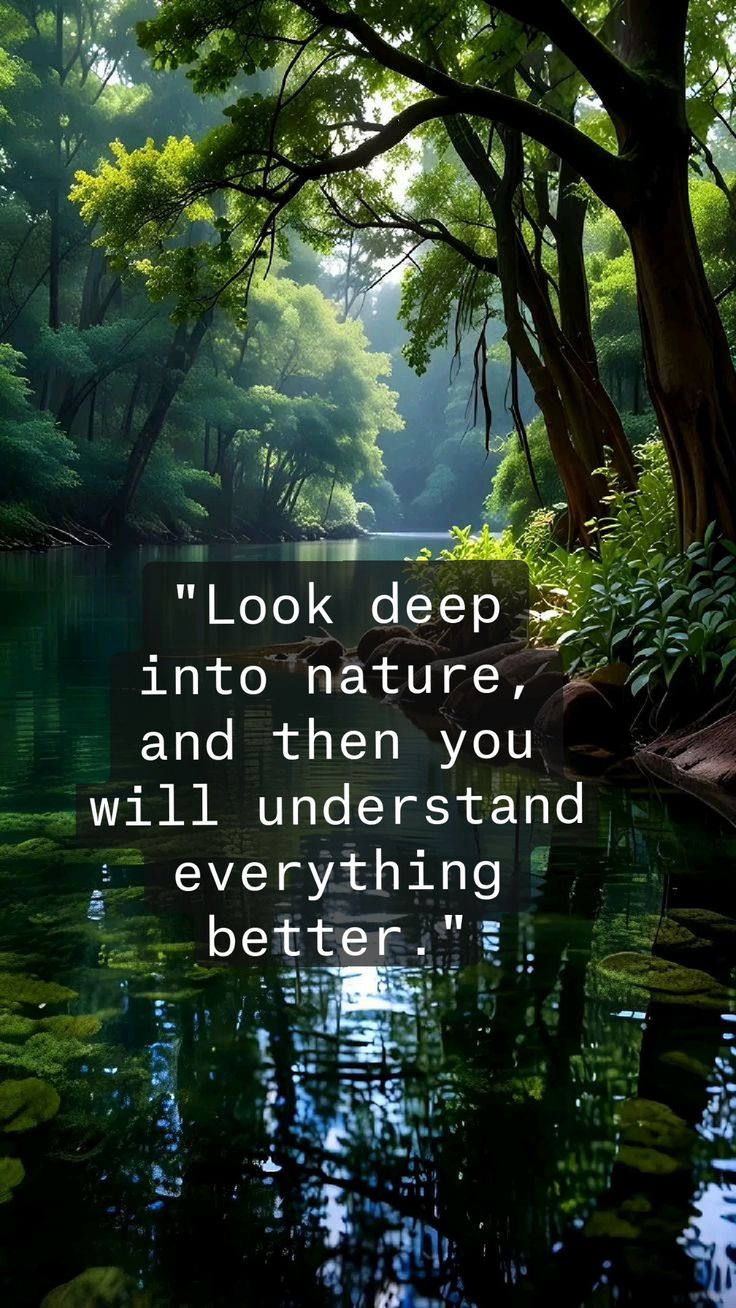
The greatest teacher is not a book or a lecture. It is nature itself.
A farm offers countless opportunities to learn about patience, resilience, transformation, and responsibility. Those who approach the land with curiosity and humility discover that farming is not simply about growing crops—it is about continuously growing knowledge, understanding, and wisdom.