

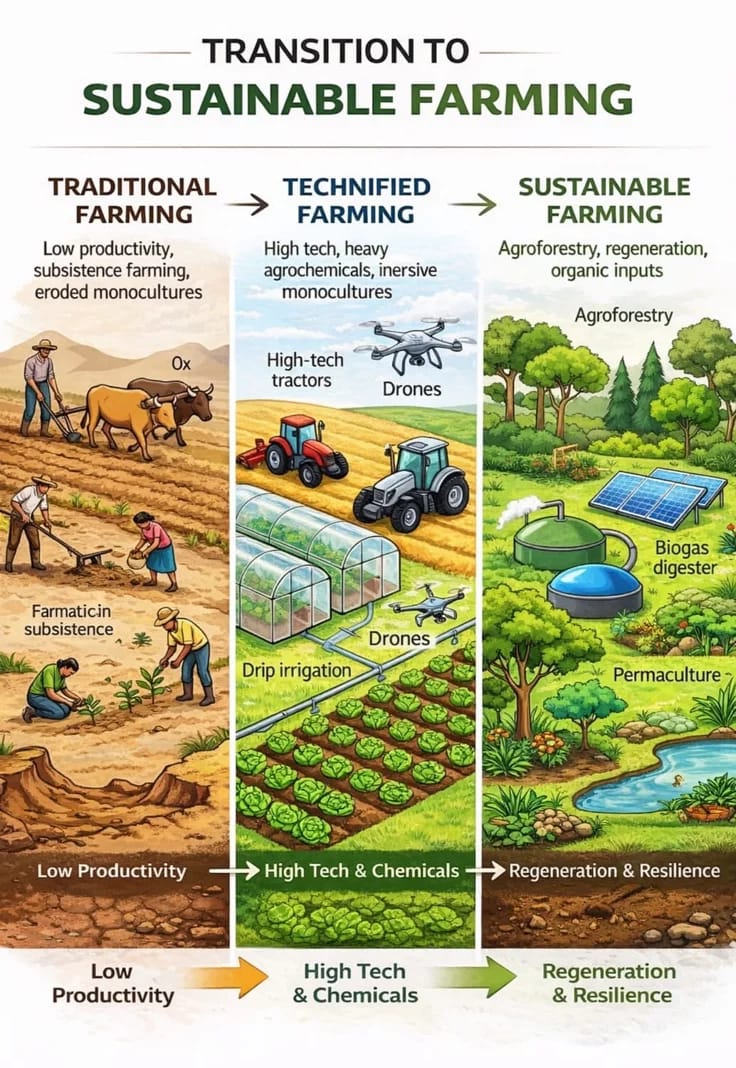
A Farm Is More Than Food
A regenerative farm produces far more than fruits, vegetables, or grains.
While food production remains an essential purpose of agriculture, a healthy farm contributes to much more than what is harvested at the end of the season. It supports ecosystems, strengthens natural resources, and creates lasting benefits for people and the environment.
In regenerative agriculture, every harvest extends beyond the crops growing in the field.
Beyond Food Production
A thriving farm creates value in many different ways.
It produces:
- Fertile and living soil
- Clean and conserved water
- Carbon stored within soil and trees
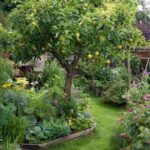
- Habitat for birds, insects, and wildlife
- Greater biodiversity
- Healthier ecosystems
- Opportunities for learning and community engagement
Food is only one of the many gifts a regenerative farm provides.
Restoring the Land
Regenerative farming focuses on improving the landscape with every passing season.
Healthy soils become richer in organic matter, rainwater is captured more effectively, biodiversity increases, and natural ecological processes become stronger.
These improvements help create farms that are more resilient to drought, climate change, and environmental challenges while continuing to support productive agriculture.
The health of the land becomes as important as the harvest itself.
A Classroom Without Walls
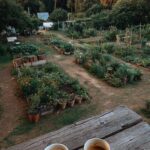
A regenerative farm is also a place of learning.
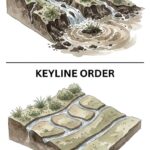
Every tree, compost pile, water-harvesting structure, and healthy ecosystem offers practical lessons about nature and sustainability.
Students, farmers, volunteers, researchers, and visitors all have the opportunity to observe natural processes and understand how healthy ecosystems function.
The land becomes a classroom where experience is often the greatest teacher.
Growing Benefits for Everyone
When farms regenerate ecosystems, the benefits extend far beyond the farm boundary.
Healthy landscapes contribute to:
- Better water security
- Cleaner air
- Greater biodiversity
- Climate resilience
- Stronger rural communities
- Improved environmental awareness
The positive impact reaches people, wildlife, and future generations alike.
A regenerative farm serves both the community and the environment.
The Amrut Krushi Perspective
At Amrut Krushi, agriculture is viewed as a way to nourish both people and the planet.
Every tree planted, every compost heap built, every drop of water conserved, and every visitor who leaves with a deeper appreciation for nature becomes part of the farm’s true harvest.
The objective is not simply to grow food, but to restore ecosystems while inspiring others to participate in the journey of regeneration.
Conclusion
A farm is more than a place where food is produced.
It is a living ecosystem that creates fertile soil, conserves water, stores carbon, supports biodiversity, and inspires people to care for the natural world.
When farming regenerates ecosystems, everyone benefits.
The greatest harvest is not measured only in crops—it is measured in healthier landscapes, stronger communities, and a more sustainable future.