


Biodiversity Is Nature’s Safety Net
Imagine a village where everyone has the same profession. If that profession fails, the entire community faces hardship.
Nature avoids this risk through biodiversity.
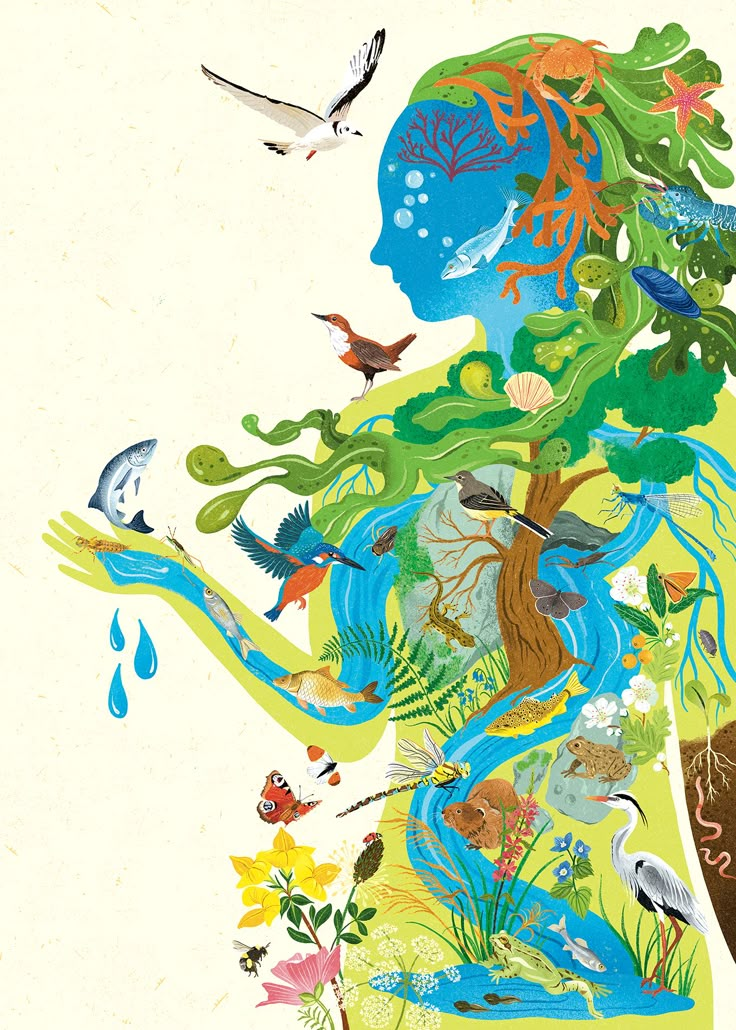
A healthy ecosystem is built on a wide variety of plants, animals, insects, fungi, and microorganisms. Each species performs a unique role, creating a balanced and resilient environment that can adapt to changing conditions.
In regenerative agriculture, biodiversity is one of the greatest strengths of a healthy landscape.
Every Species Has a Unique Responsibility
No two organisms perform exactly the same function.
Within a healthy ecosystem:
- Pollinators help flowers develop into fruits and seeds.
- Earthworms improve soil structure and aeration.
- Beneficial fungi support plant roots and nutrient absorption.
- Predatory insects naturally control pest populations.
- Birds disperse seeds and contribute to ecological balance.
- Microorganisms recycle nutrients and enrich the soil.
Together, these living communities create an ecosystem where every species contributes to the well-being of the whole.
Diversity Creates Resilience
A diverse landscape is naturally stronger and more adaptable.
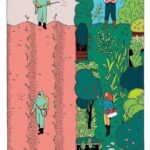
When many species coexist, the ecosystem is better equipped to respond to changing weather, pests, diseases, and environmental challenges. If one species declines, others continue supporting the natural processes that keep the landscape healthy.
Biodiversity reduces risk and strengthens the long-term stability of agricultural systems.
Nature Works Through Cooperation
Nature succeeds because its living organisms support one another.
Trees provide shelter for birds and insects.
Flowers supply nectar for pollinators.
Healthy soil sustains microorganisms that nourish plants.
Every relationship strengthens the ecosystem, creating a natural network where life supports life.
Cooperation is the foundation of ecological balance.
Building Farms That Welcome Life
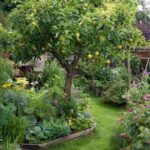
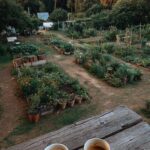
Regenerative farming encourages biodiversity by creating habitats where different species can thrive.
This includes:
- Planting diverse trees and native vegetation
- Protecting pollinators
- Conserving healthy soil
- Reducing unnecessary chemical inputs
- Maintaining natural habitats
- Preserving clean water sources
These practices allow ecosystems to remain productive while protecting the natural processes that sustain agriculture.
The Amrut Krushi Perspective
At Amrut Krushi, biodiversity is encouraged because every species strengthens the ecosystem.
By creating landscapes rich in trees, native plants, pollinators, birds, beneficial insects, fungi, and soil organisms, we build farms that are resilient, productive, and environmentally sustainable. Every living organism is valued as an important partner in the journey of regeneration.
Conclusion
Biodiversity is nature’s safety net.
The greater the diversity within a landscape, the stronger its ability to adapt, recover, and thrive.
By protecting and encouraging every form of life, we create farms that are healthier, more resilient, and capable of supporting future generations.
Nature’s greatest strength lies in its variety.