


Healthy Soil Is Living Soil
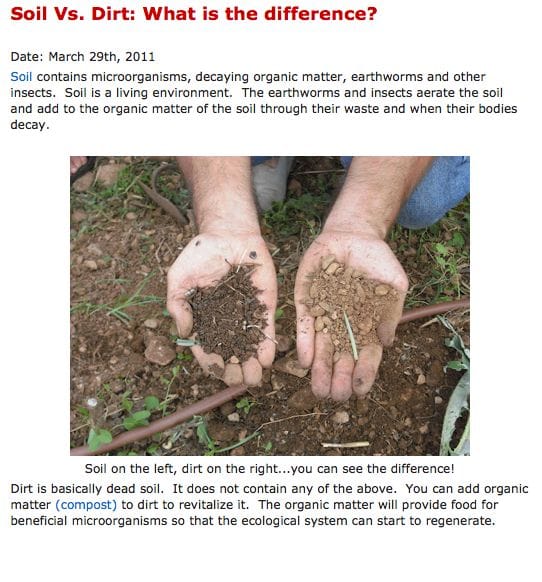
Soil is often mistaken for dirt, but healthy soil is much more than a mixture of minerals and organic matter.
Healthy soil is alive.
Beneath every fertile field exists a vibrant community of microorganisms and living organisms working together to build fertility, recycle nutrients, and support plant growth. This hidden ecosystem forms the foundation of productive and resilient agriculture.
In regenerative farming, caring for the soil means caring for the life within it.
A Living World Beneath Our Feet
A single teaspoon of healthy soil contains billions of living organisms.
This underground community includes:
- Bacteria
- Fungi
- Earthworms
- Insects
- Protozoa
- Nematodes
- Countless beneficial microorganisms
Each organism performs a unique role that contributes to the health and stability of the ecosystem.
Together, they create one of the most diverse biological communities on Earth.
The Work of Soil Life
Although invisible to the eye, soil organisms work continuously beneath the surface.
They help to:
- Decompose organic matter
- Recycle nutrients
- Improve soil structure
- Increase water infiltration
- Build soil fertility
- Support healthy root development
- Strengthen plant resilience
Without this biological activity, soil gradually loses its ability to sustain healthy crops.
Healthy plants begin with healthy soil life.
Creating Conditions for Life
Soil organisms thrive when they are provided with food, moisture, and protection.
Regenerative farming supports these conditions through practices such as:
- Applying mulch
- Recycling biomass
- Adding compost
- Maintaining ground cover
- Reducing unnecessary soil disturbance
- Protecting organic matter
These practices create an environment where biological activity can flourish naturally.
As soil life becomes stronger, the entire ecosystem benefits.
Feeding the Soil First
Traditional agriculture often focuses primarily on feeding crops.
Regenerative agriculture takes a different approach.
Instead of feeding the plant directly, it focuses on feeding the soil ecosystem that supports the plant.
When microorganisms, fungi, and earthworms receive the organic matter they need, they naturally improve nutrient availability, soil fertility, and plant health.
Healthy soil becomes the engine that drives healthy agriculture.
The Amrut Krushi Perspective
At Amrut Krushi, the focus is on feeding the soil rather than simply feeding the crop.
Through mulching, biomass recycling, composting, and minimal soil disturbance, efforts are made to protect the living ecosystem beneath the surface.
By supporting soil life, the farm creates conditions where crops grow naturally in healthier, more resilient environments.
Healthy soil is viewed as the foundation of every successful regenerative farming system.
Conclusion
The future of agriculture depends not only on what we add to the soil, but also on how well we protect the life already living within it.
Healthy soil is living soil.
When we nourish the invisible community beneath our feet, we strengthen the entire ecosystem from microorganisms and roots to crops, wildlife, and future generations.
The healthiest farms are built from the ground up, beginning with living soil.