


Learning From the Seasons
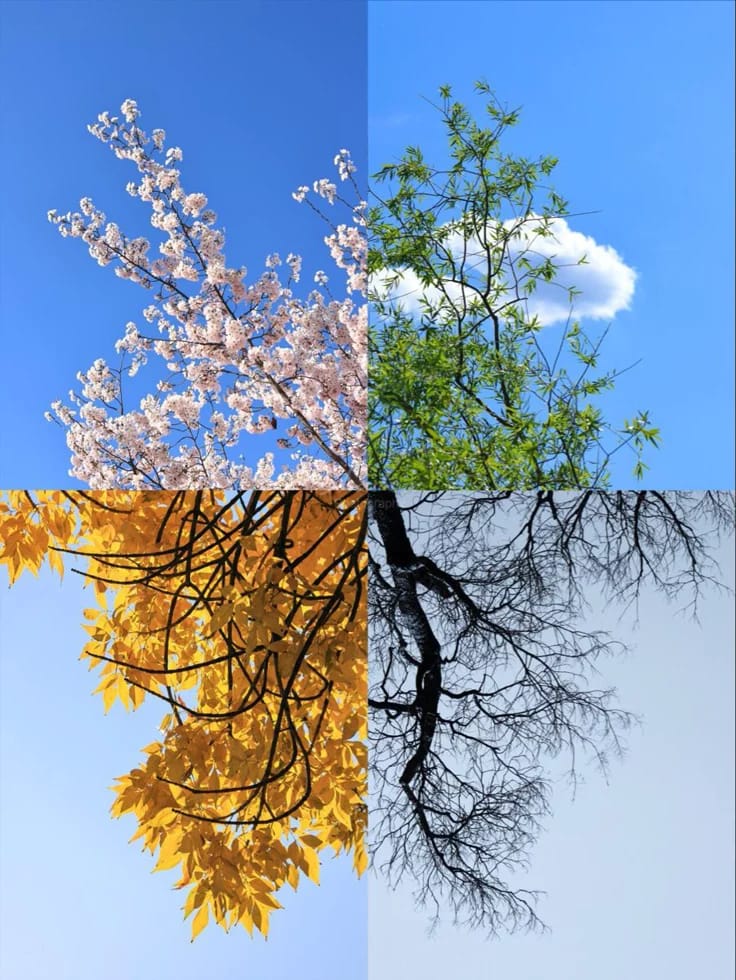
Every season has something to teach.
Nature follows its own rhythm, and each season brings new opportunities, challenges, and lessons. Farmers who learn to observe these seasonal changes gain a deeper understanding of the land and are better prepared to work in harmony with it.
Regenerative agriculture embraces the changing seasons as valuable partners in the journey of restoration.
The Lessons of Summer
Summer reminds us of the importance of protecting the land during periods of heat and limited rainfall.
It teaches the value of:
- Conserving water
- Protecting soil with mulch
- Reducing moisture loss through evaporation
- Building healthy soil rich in organic matter
- Preparing the landscape for the coming rains
The actions taken during summer often determine how well the land responds in the following season.
The Gift of the Monsoon
The arrival of the monsoon brings renewed life to the landscape.
Dormant seeds begin to germinate, soil organisms become active, and trees respond with fresh growth. It is also the ideal time for establishing new plantations and strengthening water-harvesting systems.
The monsoon teaches us:
- How to harvest rainwater
- The importance of healthy soil
- The value of tree planting
- Nature’s remarkable ability to recover
Each rainfall reminds us that healthy ecosystems are always ready to regenerate when the right conditions are created.
The Opportunities of Winter
Winter offers a season of steady growth and thoughtful planning.
Cooler temperatures create favorable conditions for flowering, healthy crop development, and continued landscape management.
It is also an ideal time to:
- Observe the results of previous efforts
- Plan future restoration activities
- Strengthen biodiversity
- Prepare for the seasons ahead
Winter teaches that careful planning is as important as hard work.
Working With Nature’s Rhythm
A regenerative farmer does not fight the seasons.
Instead, every season is welcomed as a partner, each offering unique opportunities and valuable lessons.
By understanding natural cycles, farmers can make better decisions about:
- Tree planting
- Water conservation
- Soil management
- Crop planning
- Biodiversity enhancement
Working with the rhythm of nature creates healthier and more resilient farming systems.
The Amrut Krushi Perspective
At Amrut Krushi, every season guides the work carried out across the landscape.
Observing seasonal patterns helps shape decisions related to plantation activities, soil regeneration, water harvesting, and biodiversity conservation.
Rather than forcing nature to follow human schedules, the focus is on understanding and respecting the natural rhythm of the land.
This approach allows the farm to grow stronger with each passing season.
Conclusion
Nature always keeps time.
Each season brings new lessons that help farmers understand the land more deeply and manage it more wisely.
By observing seasonal rhythms and working alongside them, regenerative farming creates healthier ecosystems, stronger landscapes, and more sustainable agriculture.
The greatest teachers are often the changing seasons themselves.