





Lessons From a Fallen Branch
After every storm, fallen branches can be found scattered across the landscape. To many people, they appear to be debris that needs to be removed. Nature, however, sees something entirely different.
A fallen branch is not the end of a story—it is the beginning of a new one.
In healthy ecosystems, organic materials are continuously recycled. What appears to be waste becomes a valuable resource that contributes to soil health, biodiversity, and ecological regeneration.
Nature Wastes Nothing
One of the most remarkable characteristics of natural ecosystems is their efficiency.
When a branch falls to the forest floor, it immediately becomes part of a new cycle. Fungi begin breaking down woody tissues. Insects create habitats within the wood. Microorganisms gradually decompose organic matter and release nutrients back into the soil.
Over time, the branch transforms from dead wood into fertile soil that supports new life.
Nature demonstrates that nothing is truly wasted.
The Ecological Role of Dead Wood
Dead wood plays an important role in maintaining healthy ecosystems.
It provides:
- Habitat for insects and wildlife
- Food for fungi and microorganisms
- Organic matter for soil formation
- Moisture retention within the landscape
- Nutrient recycling opportunities
Forests have relied on this continuous process of decomposition and renewal for millions of years without the need for external inputs.
What appears lifeless often supports a surprising amount of biological activity.
How Regenerative Farms Use Fallen Branches
Regenerative agriculture applies many of the same principles found in natural ecosystems.
Rather than viewing woody materials as waste, farmers can use them in productive ways such as:
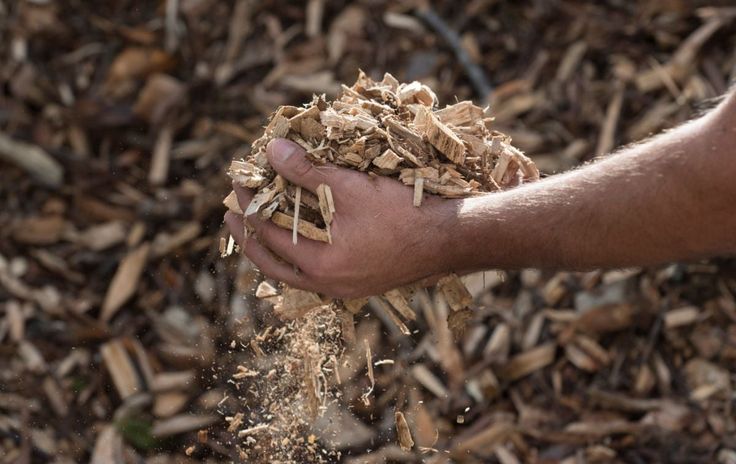
- Chipping branches into mulch
- Adding woody material to compost systems
- Creating erosion control structures
- Improving soil organic matter
- Supporting moisture retention
These practices help return valuable resources to the land while strengthening ecological processes.
Recycling as a Foundation of Regeneration
Regeneration depends on continuous cycles of renewal.
Organic matter moves through the ecosystem in many forms. Leaves fall, branches decompose, roots die back, and nutrients return to the soil. These cycles create the fertility that supports future growth.
The more effectively resources are recycled within a landscape, the more resilient and productive that landscape becomes.
Nature’s ability to transform waste into abundance is one of its greatest lessons.
The Amrut Krushi Perspective
At Amrut Krushi, fallen branches and woody materials are viewed as valuable assets rather than unwanted debris.
Every piece of organic matter has the potential to contribute to soil health, moisture retention, biodiversity, and long-term fertility.
By working with natural cycles of decomposition and renewal, farms can build stronger ecosystems while reducing unnecessary waste.
Conclusion
Nature’s efficiency is remarkable. What appears to be an ending is often the beginning of a new cycle.
A fallen branch reminds us that regeneration is built upon continuous recycling and renewal. Through decomposition, nutrients are returned to the soil, habitats are created, and new opportunities for growth emerge.
When we learn to see resources where others see waste, we begin to understand one of nature’s most important principles: everything has a role in the cycle of life.