





Patience Is a Farming Skill
Modern life encourages speed. We expect instant results, quick solutions, and immediate rewards. Farming, however, teaches a very different lesson.
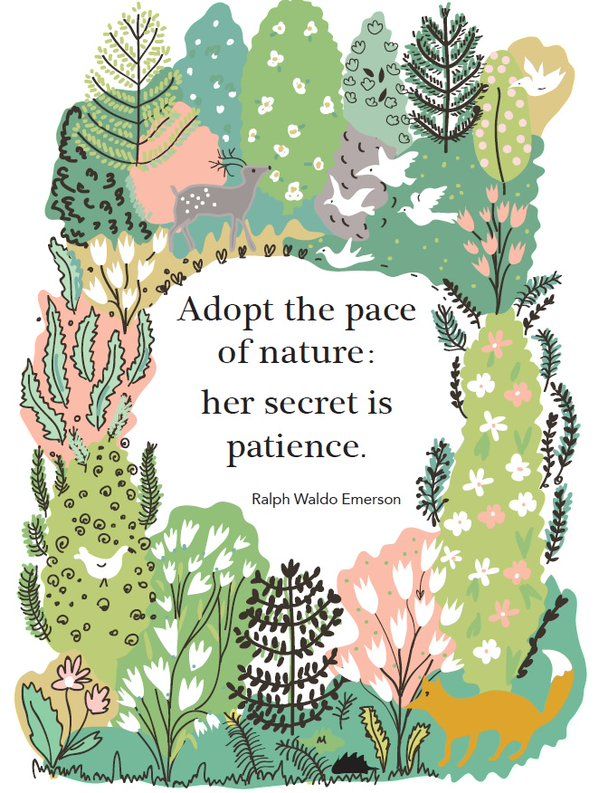
Nature moves at its own pace.
A seed does not become a tree overnight. Healthy soil cannot be created in a few weeks. Water harvesting systems reveal their full benefits only after several seasons of rainfall and observation.
Regenerative agriculture reminds us that meaningful change takes time.
Nature Cannot Be Rushed
Every natural process follows its own timeline.
Trees grow gradually, extending their roots before expanding their canopy. Soil organisms build fertility through countless small interactions. Ecosystems develop through years of continuous growth, adaptation, and renewal.
Attempting to rush these processes often leads to disappointment.
Successful farmers understand that lasting results require patience, consistency, and long-term commitment.
Small Changes Lead to Big Results
Many regenerative practices produce subtle improvements during the early stages.
These changes may include:
- Slightly higher organic matter
- More earthworms in the soil
- Improved moisture retention
- Healthier plant growth
- Increased biological activity
- The return of birds and beneficial insects
Individually, these improvements may seem small.
Collectively, they transform the landscape over time.
The Value of Consistency
Regeneration is built through repeated actions rather than isolated efforts.
Each layer of mulch, every tree planted, every compost pile created, and every water-harvesting structure contributes to a larger process of ecological restoration.
Consistency allows these small improvements to accumulate year after year, creating healthier soils, stronger ecosystems, and more resilient farms.
Nature rewards steady effort more than rapid intervention.
Learning to Observe Progress
One of the challenges of regenerative farming is recognizing progress before dramatic changes become visible.
Healthy ecosystems often improve quietly.
The return of wildlife, darker soil, improved water infiltration, and increasing biodiversity are all signs that the land is moving in the right direction.
These early indicators remind us that regeneration is happening, even when results are not immediately obvious.
Patience allows us to appreciate these gradual successes.
The Amrut Krushi Perspective
At Amrut Krushi, patience is considered an essential farming skill.
Every season offers an opportunity to improve soil health, conserve water, encourage biodiversity, and strengthen ecological resilience.
Rather than focusing only on immediate outcomes, the farm emphasizes long-term stewardship and continuous improvement.
The belief is simple: lasting success belongs to those who are willing to think beyond a single season.
Conclusion
Nature teaches that the most valuable results cannot be rushed.
Healthy soils, thriving forests, abundant biodiversity, and resilient landscapes are all created through years of consistent care and thoughtful management.
Patience is not the absence of progress—it is the willingness to invest in a future that grows stronger with time.
In regenerative farming, the greatest rewards often belong to those who understand that nature always works on a long-term timeline.