

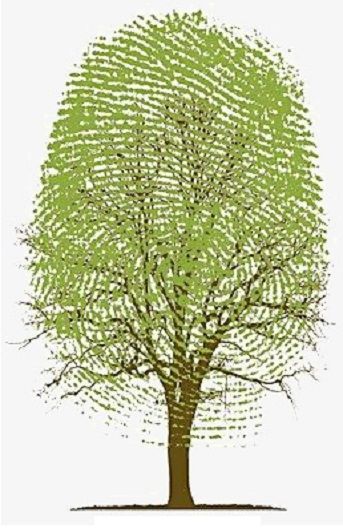
Planting Trees for People We Will Never Meet
Many of the trees we plant today will reach maturity decades from now. Their branches will grow long after the planting season has passed, creating benefits that extend far beyond our own lifetime.
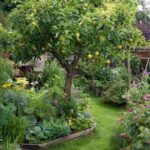
The shade they provide may be enjoyed by people we will never meet. Their fruits may nourish future generations. Their roots will strengthen soil, improve water retention, and support ecosystems long after we are gone.
Tree planting is one of the most meaningful acts of long-term thinking. It reminds us that not every valuable outcome appears immediately. Some of the most important contributions we make today are investments in a future we may never personally witness.
The Long-Term Impact of Trees
Trees provide far more than beauty to a landscape. They play a critical role in maintaining environmental balance and supporting life.
Some of the benefits of trees include:
- Improving soil structure and fertility
- Reducing soil erosion
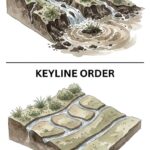
- Enhancing water infiltration and groundwater recharge
- Supporting biodiversity and wildlife habitats
- Capturing carbon from the atmosphere
- Creating cooler and healthier microclimates
A single tree can positively influence its surroundings for decades, making it one of the most valuable long-term investments in nature.
Planting with Future Generations in Mind
Modern society often focuses on immediate results and short-term gains. Tree planting encourages a different perspective.
When we plant a tree, we acknowledge that the greatest rewards may be experienced by others. This simple act reflects responsibility, patience, and faith in the future.
Every sapling represents a commitment to creating a better environment for the people who will inherit the land after us.
Trees as Partners in Regenerative Agriculture
In regenerative farming systems, trees contribute significantly to ecosystem health.
They help:
- Improve soil moisture retention
- Increase biodiversity on farms
- Provide natural shade and wind protection
- Enhance nutrient cycling
- Create resilient agricultural landscapes
Integrating trees into farming systems strengthens both ecological health and long-term farm productivity.
The Amrut Krushi Perspective
At Amrut Krushi, every plantation season is viewed as an opportunity to contribute to a future that is greener, cooler, and more abundant.
Tree planting is not simply an agricultural activity. It is a commitment to stewardship, sustainability, and intergenerational responsibility.
Each tree planted today becomes a living legacy that continues to serve people, wildlife, and the environment for years to come.
Conclusion
The true value of a tree cannot be measured only by its height, growth rate, or yield. Its greatest contribution lies in the lives it touches over time.
By planting trees today, we create benefits that may last for generations. The shade, food, clean air, and healthier ecosystems they provide become gifts for people we may never meet, but whose future is shaped by the choices we make today.