




Regeneration Is Built Through Small Actions
When we think about environmental restoration, we often imagine large projects, major investments, and dramatic transformations. While these efforts are important, lasting change usually begins in a much simpler way.
A single tree planted.
A compost pile started.
A patch of soil mulched.
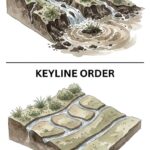
A contour trench dug.
A conversation that inspires someone to care for the environment.
These actions may seem small on their own, but together they form the foundation of regeneration.
The Power of Consistency
Nature itself is built through countless small processes repeated over time.
A tree grows one leaf at a time.
Soil is formed through the gradual decomposition of organic matter.
Water shapes landscapes through countless rainfall events.
Meaningful change rarely happens overnight. Instead, it emerges through consistent actions that accumulate year after year.
The same principle applies to regenerative agriculture and ecological restoration.
Small Actions Create Lasting Impact
Many environmental improvements begin with simple, practical steps.
Examples include:
- Planting native trees
- Conserving rainwater
- Building compost systems
- Protecting soil with mulch
- Encouraging biodiversity
- Restoring degraded areas
- Sharing knowledge with others
While no single action may transform a landscape immediately, their combined effect can be remarkable.
Over time, small improvements contribute to healthier ecosystems, stronger communities, and greater resilience.
Shifting Focus From Problems to Solutions
Many environmental challenges appear overwhelming because we focus on their scale.
Climate change, soil degradation, water scarcity, and biodiversity loss are significant concerns. When viewed as massive global problems, they can seem impossible for individuals to influence.
Regeneration becomes possible when we focus on the next practical step.
Instead of asking how to solve every challenge at once, we ask:
“What positive action can I take today?”
This mindset transforms concern into progress.
Every Contribution Matters
Not every contribution must be large to be valuable.
A farmer improving soil health.
A student planting a tree.
A volunteer helping restore a landscape.
A family conserving water.
Each effort contributes to a larger movement toward ecological restoration.
Collective progress is built through individual actions repeated across many people and places.
The Amrut Krushi Perspective
At Amrut Krushi, progress is measured not only by major achievements but also by the daily actions that move the landscape toward greater health and resilience.
Every tree planted, every layer of mulch applied, every water-harvesting effort, and every ecological improvement contributes to a larger vision of regeneration.
The focus remains on steady progress rather than instant results.
Small actions performed consistently often create the most meaningful long-term change.
Conclusion
Large transformations often begin with small, consistent efforts.
The future is not shaped by what we do occasionally. It is shaped by what we do repeatedly.
Every positive action, no matter how small, contributes to the restoration of ecosystems and the creation of a more resilient future.
Regeneration is built one step, one decision, and one action at a time.