

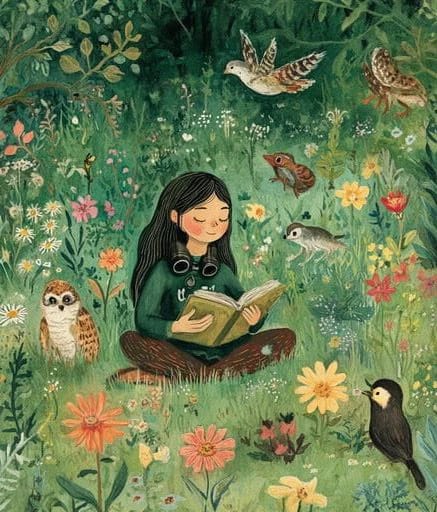
The Gift of Observation
Before making changes to the land, it is important to understand the land.
In regenerative agriculture, one of the most valuable tools available to a farmer requires no machinery, no technology, and no financial investment. It is the ability to observe.
Careful observation allows us to understand how natural systems function before we attempt to improve them. Every landscape tells a story, and those who learn to read it make better decisions for the future.
Nature Is Always Communicating
The landscape is constantly providing information.
A careful observer notices:
- Where water flows after rainfall
- Which areas retain moisture the longest
- Which plants thrive naturally
- Where birds and pollinators gather
- How sunlight and shade change throughout the day
- Which areas are vulnerable to erosion
These patterns reveal valuable insights that cannot be gained through assumptions alone.
Nature is always communicating—the challenge is learning how to listen.
Observation Leads to Better Decisions
Successful farming begins with understanding rather than intervention.
By observing natural patterns, farmers can make more informed decisions about:
- Tree planting locations
- Water harvesting systems
- Soil management practices
- Biodiversity enhancement
- Crop selection
- Landscape restoration
Observation reduces guesswork and allows management practices to work in harmony with natural processes.
The better we understand the land, the more effectively we can care for it.
Every Season Brings New Lessons
Landscapes are constantly changing.
Rainfall patterns, plant growth, wildlife activity, and soil conditions vary throughout the year. Each season reveals new information about how the ecosystem functions.
A dry season may expose areas vulnerable to moisture loss.
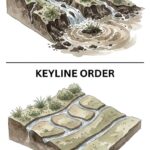
Heavy rainfall may reveal natural water pathways.
The arrival of birds, insects, and flowering plants may indicate improving ecological health.
Every season becomes an opportunity to deepen our understanding of the land.
Observation as a Daily Practice
Observation is not a one-time activity.
It is a habit that develops through regular interaction with the landscape.
Walking through the farm, noticing small changes, and paying attention to natural patterns helps build knowledge that cannot always be found in books or manuals.
The most experienced farmers often become skilled observers before they become skilled managers.
The Amrut Krushi Perspective
At Amrut Krushi, observation is treated as a daily practice.
Every walk through the farm provides opportunities to learn from the landscape. Every season brings new insights into soil health, water movement, biodiversity, and ecosystem relationships.
Rather than imposing solutions on nature, the focus is on understanding natural processes and working alongside them.
This approach helps create farming systems that are more resilient, productive, and sustainable.
Conclusion
The more closely we observe nature, the better we understand how to work alongside it rather than against it.
Good farming begins with good observation.
By taking the time to understand the land before changing it, farmers can make better decisions, strengthen natural systems, and build healthier ecosystems that continue improving year after year.
Observation is one of nature’s greatest gifts—and one of a farmer’s greatest strengths.