




The Hidden Workforce Beneath Our Feet
When people think about farming, they often focus on crops, irrigation systems, fertilizers, and weather conditions. Yet one of the most important contributors to farm productivity remains largely invisible.
Beneath every healthy field exists a vast and complex community of living organisms working continuously to support plant growth. This hidden workforce forms the foundation of soil health and ecosystem resilience.
Soil is not simply a medium that holds plant roots. It is one of the most vibrant and dynamic ecosystems on Earth.
A Living World Beneath the Surface
A single handful of healthy soil contains billions of microorganisms.
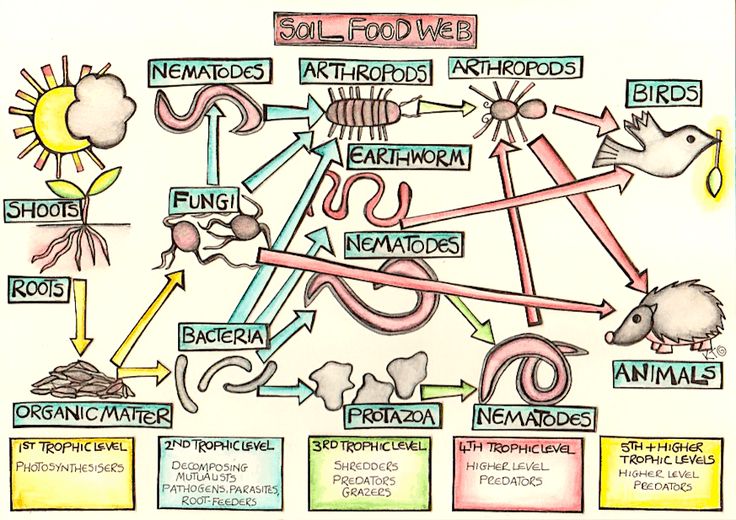
This underground community includes:
- Bacteria
- Fungi
- Nematodes
- Protozoa
- Earthworms
- Arthropods
- Countless other microscopic organisms
Each plays a unique role in maintaining soil health and supporting the growth of plants.
Together, these organisms form an intricate web of life that continuously processes organic matter, cycles nutrients, and improves soil structure.
How Soil Organisms Support Plant Health
The hidden workforce beneath our feet performs tasks that are essential for healthy ecosystems.
These organisms help:
- Decompose organic matter
- Release nutrients in plant-available forms
- Improve soil structure and aeration
- Enhance water retention
- Support root development
- Suppress harmful pathogens
When soil biology thrives, plants gain access to nutrients naturally, develop stronger immune systems, and become more resilient to environmental stresses.
Healthy soil life creates the conditions for healthy crops.
Challenges Facing Soil Biology
Modern agricultural practices can sometimes disrupt this delicate underground ecosystem.
Factors that may negatively affect soil life include:
- Excessive tillage
- Overuse of chemical inputs
- Continuous soil disturbance
- Soil compaction
- Leaving soil exposed for long periods
These practices can reduce biological activity and weaken the natural processes that support fertility and resilience.
Protecting soil life is therefore one of the most important responsibilities of regenerative farming.
Feeding the Soil First
Regenerative agriculture recognizes that healthy plants begin with healthy soil.
Rather than focusing solely on feeding crops, regenerative farmers aim to feed the soil ecosystem itself.
Effective practices include:
- Applying organic mulch
- Recycling biomass
- Building compost
- Maintaining living roots in the soil
- Minimizing unnecessary disturbance
These approaches create conditions that allow microorganisms and other beneficial organisms to flourish.
As soil biology becomes stronger, the entire ecosystem benefits.
The Amrut Krushi Perspective
At Amrut Krushi, the focus is on feeding the soil first.
Through mulching, biomass recycling, composting, and minimal soil disturbance, efforts are made to create an environment where soil life can thrive naturally.
By supporting the invisible workforce beneath the surface, fertility is built from within the ecosystem rather than relying solely on external inputs.
This approach contributes to healthier plants, stronger soils, and greater long-term resilience.
Conclusion
The most important workers on a farm are often the ones we never see.
Bacteria, fungi, earthworms, and countless other organisms operate continuously beneath our feet, supporting every aspect of plant growth and ecosystem health.
When we care for this hidden workforce, we strengthen the entire landscape. Healthy soil life leads to healthier plants, improved fertility, greater biodiversity, and more resilient farming systems.
The future of regenerative agriculture begins by recognizing that the foundation of every thriving farm lies underground.