

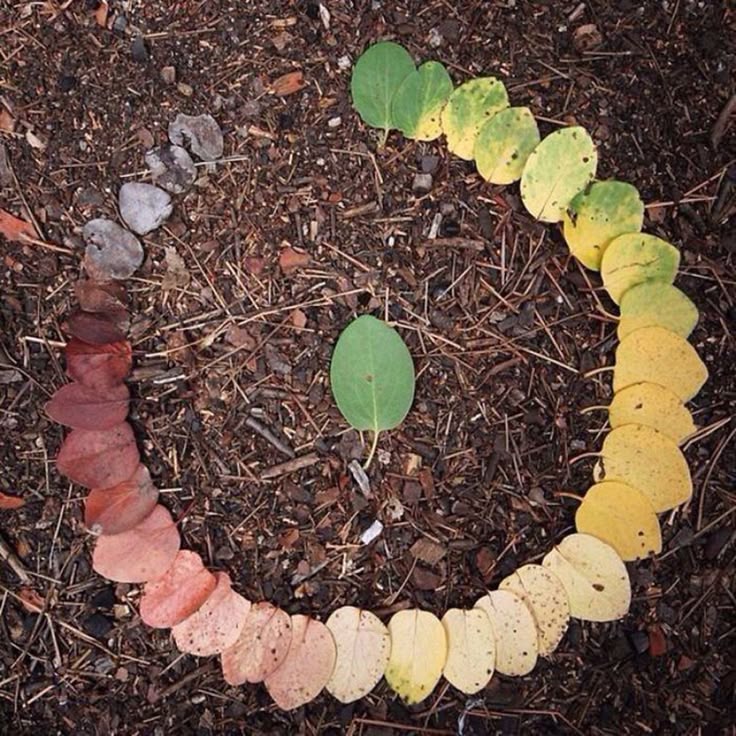
The Journey of a Fallen Leaf
When a leaf falls from a tree, many people see waste. Nature sees opportunity.
What appears to be the end of a leaf’s life is actually the beginning of a remarkable transformation. In healthy ecosystems, nothing is wasted. Every fallen leaf becomes part of a natural cycle that continuously renews the soil and supports life.
This simple process has sustained forests and natural landscapes for millions of years without the need for external fertilizers or artificial inputs.
Nature’s Recycling System
Once a leaf reaches the ground, it begins an important journey.
Microorganisms, fungi, insects, earthworms, and countless other decomposers gradually break down the leaf. As decomposition progresses, the nutrients stored within the leaf are released back into the soil.
This process returns valuable elements such as carbon, nitrogen, and other essential nutrients to the ecosystem, where they can once again support plant growth.
Nature’s recycling system operates continuously, ensuring that resources remain available for future generations of plants and organisms.
The Formation of Humus
As decomposition continues, organic matter is gradually transformed into humus.
Humus is a stable, nutrient-rich form of organic matter that plays a vital role in maintaining healthy soils.
Benefits of humus include:
- Improved soil structure
- Enhanced water retention
- Increased nutrient availability
- Better aeration
- Greater microbial activity
- Improved long-term fertility
Healthy soils rich in humus are more resilient, productive, and capable of supporting diverse forms of life.
Lessons from the Forest
Forests provide one of the best examples of natural fertility.
Year after year, leaves fall to the forest floor and decompose. Yet forests continue to thrive without synthetic fertilizers or external nutrient sources.
The continuous recycling of organic matter creates a self-sustaining system where nutrients are constantly returned to the soil.
This natural process demonstrates that fertility can be generated and maintained through biological cycles rather than relying solely on external inputs.
Why Fallen Leaves Matter on Farms
In many agricultural systems, leaves and crop residues are often removed, burned, or treated as waste.
Regenerative farming takes a different approach.
Fallen leaves, crop residues, and other organic materials can be used to:
- Build soil organic matter
- Improve moisture retention
- Protect the soil surface
- Support beneficial microorganisms
- Reduce nutrient loss
- Enhance ecosystem resilience
Every leaf returned to the soil contributes to the long-term health and productivity of the farm.
The Amrut Krushi Perspective
At Amrut Krushi, fallen leaves and crop residues are treated as valuable resources rather than waste materials.
These natural materials are viewed as an essential part of the regeneration process. By allowing organic matter to return to the soil, fertility is gradually built from within the ecosystem itself.
This approach helps create healthier soils, stronger plants, and more sustainable agricultural systems.
Conclusion
Nature teaches us that there is no waste in a healthy ecosystem. Everything becomes food for something else.
The journey of a fallen leaf is a powerful reminder that regeneration begins with recycling life’s resources. What appears to be an ending is often the beginning of new growth.
By understanding and respecting this natural cycle, farmers can work alongside nature to build fertile soils, resilient ecosystems, and a more sustainable future.