


The Storm That Tested the Farm
Nature is both our teacher and our examiner.
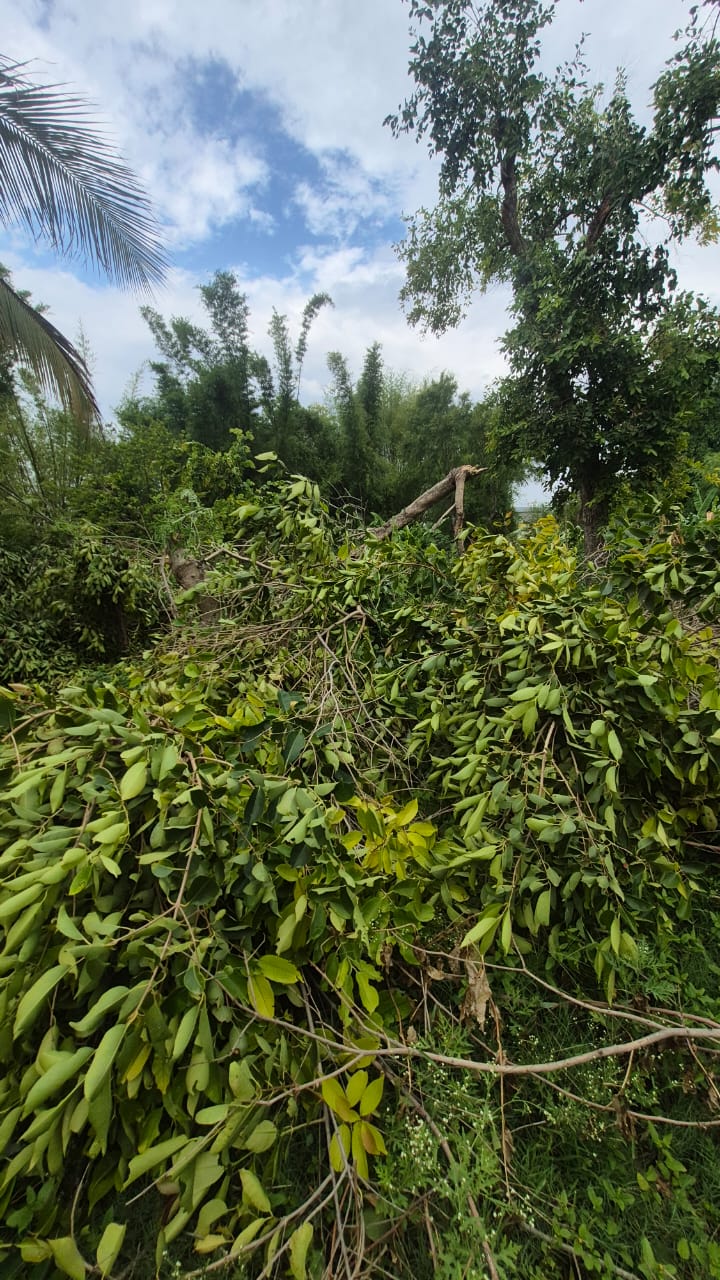
Every season brings opportunities for growth, but it also brings moments that test the strength of our systems. This week, a powerful thunderstorm swept across the farm, leaving behind fallen branches, scattered materials, damaged areas, and a fresh set of challenges.
While storms can be discouraging, they also provide valuable lessons that cannot be learned under perfect conditions.


When Nature Puts Systems to the Test
A storm reveals how well a landscape is prepared to withstand unexpected events.
Heavy winds, intense rainfall, and sudden weather changes expose vulnerabilities that may otherwise go unnoticed. Structures, trees, drainage systems, and planting areas are all tested by the forces of nature.
Although damage is never welcomed, it often provides important insights that help improve future planning and resilience.
Every challenge carries information.
Lessons Hidden Within the Damage
In regenerative farming, setbacks are viewed as opportunities for learning rather than reasons for discouragement.
A broken fence may highlight the need for stronger infrastructure.
An uprooted plant may reveal weaknesses in soil structure or root establishment.
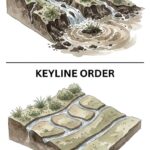
Water movement during storms may identify areas that require improved drainage or additional water-harvesting measures.
Each observation contributes to a better understanding of how the landscape responds under pressure.
Recovery as Part of Regeneration
The days following a storm are often as important as the storm itself.
Recovery efforts provide an opportunity to rebuild with greater knowledge and intention.
The coming days at the farm will focus on:
- Clearing fallen branches and debris
- Repairing damaged areas
- Restoring essential infrastructure
- Preparing tree planting locations
- Strengthening systems for future weather events
Every repair becomes an opportunity to improve resilience and create a stronger foundation for the future.
Preparing for the Plantation Season
As the farm recovers, attention also turns toward the upcoming plantation season.
Tree pits will be marked, damaged areas restored, and new plans developed based on the lessons learned from the storm.
Each challenge helps refine future decisions and encourages better preparation for changing environmental conditions.
The goal is not to create a farm that never experiences difficulties. The goal is to create a farm that can recover, adapt, and continue improving after every challenge.
The Amrut Krushi Perspective
At Amrut Krushi, farming is viewed as a continuous process of observation, adaptation, and regeneration.
Storms, droughts, and unexpected events are part of the natural cycle. Rather than resisting these realities, the focus remains on learning from them and using every experience to strengthen the landscape.
Resilience is built not during easy seasons but through the lessons gained during difficult ones.
Conclusion
Regenerative farming is not about avoiding challenges. It is about learning to recover stronger after every challenge.
The recent storm tested the farm, but it also provided valuable lessons that will help guide future improvements.
The farm continues to evolve, one lesson at a time. With every challenge comes an opportunity to learn, adapt, and build a more resilient future.