





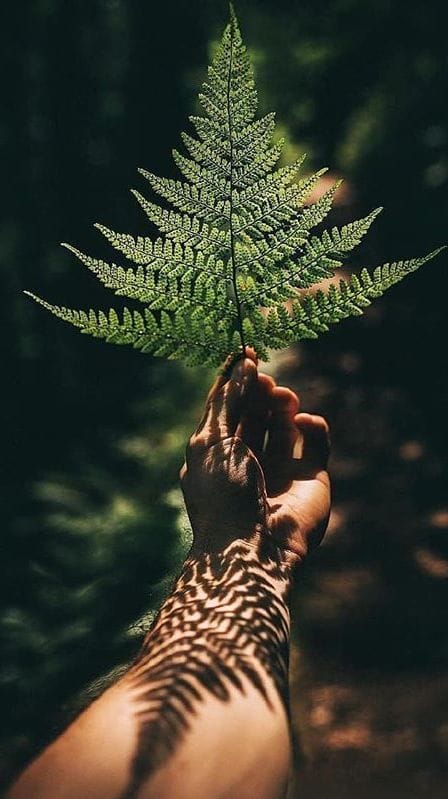
The True Meaning of Regeneration
Regeneration is more than repairing damaged land.
It is about creating the conditions where life can flourish again. It is a process of restoring natural systems, rebuilding relationships, and giving the land the opportunity to recover and become healthier over time.
True regeneration can be seen when life begins returning in many different forms.
When Life Returns
Regeneration becomes visible through small but meaningful changes.
A dry stream begins to flow for longer periods.
Butterflies return to flowering plants.
Earthworms multiply beneath layers of mulch.
Trees grow stronger and provide new habitats for birds.
Children discover the joy of planting and caring for trees.
Farmers gain confidence in working with nature.
Each of these changes is a sign that the landscape is becoming healthier.
Regeneration Goes Beyond Green Fields
A greener landscape is only one measure of regeneration.
Healthy soil, clean water, biodiversity, and thriving vegetation are important, but regeneration also creates stronger connections between people and the natural world.
When people understand how soil, water, trees, plants, animals, and microorganisms depend on one another, they become more responsible stewards of the land.
Regeneration strengthens both ecosystems and communities.
Building Relationships With Nature
Regenerative agriculture encourages cooperation rather than control.
Healthy soil supports plants.
Plants provide food and shelter for insects and wildlife.
Trees protect soil, conserve water, and create habitats.
Water sustains life across the landscape.
People learn from these relationships and become active participants in restoring the ecosystem.
Every part of the system is connected.
Measuring True Progress
The success of regeneration cannot always be measured through crop yields alone.
Progress can also be seen through:
- Returning birds and butterflies
- Increasing earthworm activity
- Healthier and richer soil
- Improved water retention
- Greater plant diversity
- Stronger community participation
- Increased understanding of natural systems
These signs reveal that regeneration is taking place both within the land and among the people who care for it.
The Amrut Krushi Perspective
At Amrut Krushi, regeneration is measured not only by greener fields but also by stronger relationships between people, soil, water, trees, and all living beings.
The goal is to create landscapes where ecological health and human well-being grow together. Every restored patch of soil, every returning species, and every person inspired to care for nature becomes part of this larger journey.
Conclusion
The true meaning of regeneration is the return of life.
When soil becomes healthier, water remains longer, biodiversity increases, and people reconnect with nature, the landscape begins to heal.
And when life returns to the land, hope returns to the community.