


The Value of Native Seeds
For thousands of years, farmers have carefully selected and preserved seeds that adapted to their local climate, soil, and rainfall.
These seeds carry generations of knowledge and resilience. They are connected to the landscapes where they have been grown and passed from one generation to the next.
Native seeds are not only valuable for farming. They are also an important part of biodiversity, self-reliance, and cultural heritage.
Seeds Adapted to Their Environment
Native seeds have developed alongside local environmental conditions over many generations.
They may be better suited to:
- Local climate conditions
- Regional soil types
- Seasonal rainfall patterns
- Local pests and diseases
- Changing weather conditions
Their ability to adapt can make them valuable resources for farmers seeking resilient and sustainable farming systems.
Preserving Agricultural Heritage
Seed saving is more than an agricultural practice.
It preserves knowledge, traditions, flavours, nutritional qualities, and the genetic diversity developed by farming communities over generations.
When farmers save and exchange seeds, they help protect a living connection between people, agriculture, and the land.
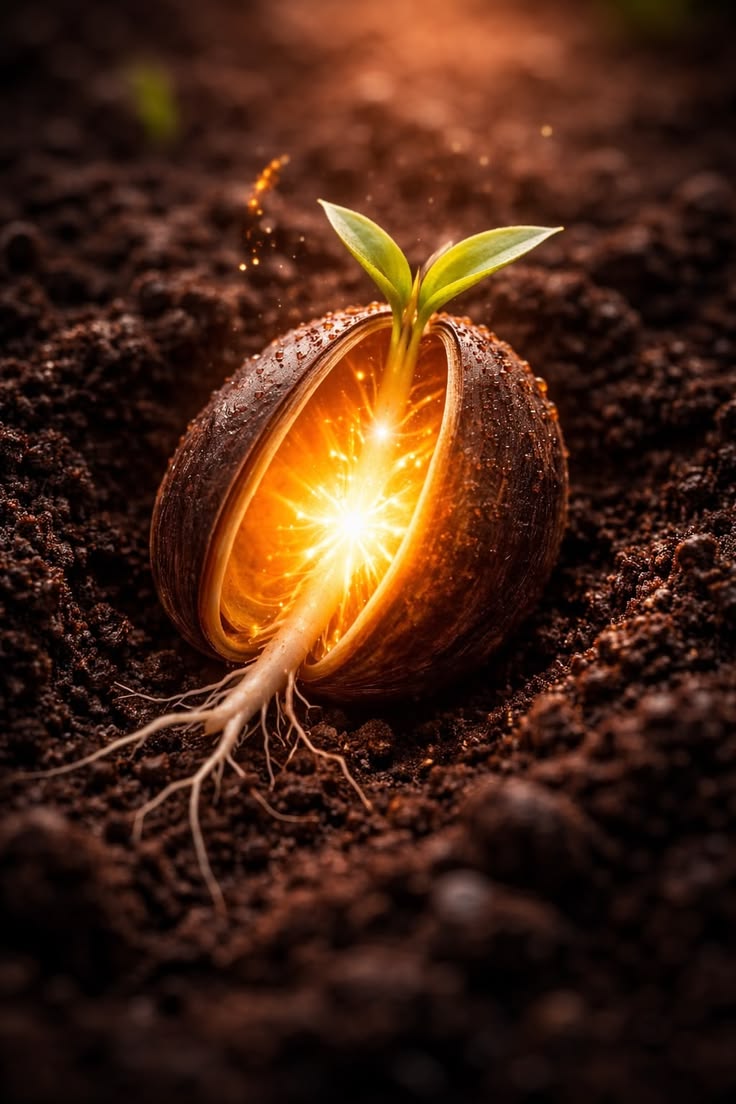
Every seed carries part of this history.
Supporting Biodiversity
Seed diversity creates greater possibilities for agriculture.
Different varieties can respond differently to weather, soil conditions, pests, and other environmental challenges. Maintaining a wide range of seeds helps protect agricultural biodiversity and reduces dependence on a limited number of varieties.
Diversity gives future farmers more choices.
Building Self Reliance
Saving seeds also strengthens farmer independence.
When farmers are able to collect, preserve, and reuse suitable seeds, they can maintain greater control over their farming systems. This reduces dependence on external seed sources and keeps valuable genetic resources within local communities.
Seed saving is an investment in long-term resilience.
The Amrut Krushi Perspective
At Amrut Krushi, native and open-pollinated seeds represent self-reliance, biodiversity, and the wisdom of traditional farming communities.
Preserving these seeds helps maintain genetic diversity while keeping valuable agricultural knowledge alive. Every seed saved is an opportunity to protect the resilience and possibilities of future farming systems.
Conclusion
Native seeds carry more than the potential to grow a plant.
They carry generations of adaptation, knowledge, culture, and agricultural heritage.
By saving and protecting them today, we preserve biodiversity and give future generations more possibilities for resilient and sustainable farming.
Every seed saved today protects possibilities for tomorrow.