

The Wealth Stored in Organic Matter
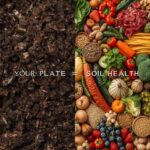
Organic matter is often overlooked because it does not appear as impressive as modern machinery or large infrastructure. Yet beneath the surface, it is one of the greatest forms of wealth a farm can possess.
Healthy soil is built by returning organic materials to the land. Leaves, crop residues, compost, animal manure, and woody biomass all contribute to a natural cycle that strengthens the soil and supports life.
In regenerative agriculture, organic matter is not considered waste. It is a valuable resource that builds long-term fertility.
Nature’s Natural Investment
Every leaf that falls and every plant residue left on the ground carries valuable nutrients and stored energy.
As these materials decompose, they gradually transform into humus, enriching the soil and supporting the countless organisms that live beneath the surface.
This natural process has sustained forests and grasslands for millions of years without external fertilizers.
Why Organic Matter Matters
Organic matter improves the soil in many important ways.
It helps to:
- Increase soil fertility
- Improve water-holding capacity
- Support beneficial microorganisms
- Enhance soil structure
- Reduce erosion
- Improve nutrient availability
- Build long-term resilience
As organic matter increases, the soil becomes healthier, more productive, and better able to withstand environmental stress.
Investing in Future Productivity
Every kilogram of organic matter returned to the soil is an investment in the future.
Unlike synthetic inputs that provide short-term benefits, organic matter continues improving the soil year after year.
It creates conditions where biological activity flourishes, moisture is retained for longer periods, and crops grow in healthier environments.
Healthy soil becomes more valuable with every season.
Recycling Instead of Wasting
Regenerative agriculture encourages farmers to view biomass as a valuable asset rather than a waste product.
Instead of asking how much fertilizer a farm requires, it asks a different question:
How much organic matter can the land produce and recycle?
By returning leaves, crop residues, compost, and other natural materials to the soil, farms strengthen the natural cycles that maintain long-term fertility.
Nothing valuable is wasted.
The Amrut Krushi Perspective
At Amrut Krushi, organic matter is regarded as one of the farm’s greatest assets.
Leaves, biomass, compost, and other natural materials are returned to the soil to improve fertility, support microbial life, and increase water retention. Every effort is made to keep nutrients cycling within the ecosystem instead of allowing valuable resources to go to waste.
The focus is on building healthy soil that becomes richer with each passing season.
Conclusion
The true wealth of a farm is not measured only by its harvests or machinery.
It is also measured by the health of its soil.
Organic matter is the foundation of fertile land, resilient ecosystems, and sustainable agriculture.
The richest farms are often those that waste the least.