


Water Is a Visitor, Not a Commodity
Rainwater visits the land for only a short time.
Whether it remains or quickly flows away depends on how the landscape is managed. Healthy ecosystems are designed to welcome rain, allowing it to slow down, soak into the soil, and become available for plants, wildlife, and future seasons.
In regenerative agriculture, water is not viewed as a resource to be exploited but as a precious gift that must be conserved and respected.
Every Drop Has Value
Rainfall is one of nature’s greatest blessings.
When rainwater is allowed to infiltrate the soil instead of becoming runoff, it replenishes groundwater, supports plant growth, nourishes soil organisms, and strengthens the resilience of the entire ecosystem.
Every drop stored in the landscape becomes an investment in the future.
Healthy Landscapes Hold Water
The ability of land to retain water depends on its health.
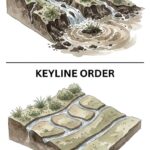
Bare and compacted soil causes rainwater to flow away quickly, increasing erosion and reducing the moisture available for crops.
Healthy landscapes, on the other hand, naturally absorb and store water through:
- Dense vegetation
- Organic matter-rich soil
- Mulching
- Deep-rooted trees
- Contour bunds
- Farm ponds and water harvesting structures
These features allow rainwater to move slowly into the ground, where it can support life long after the rainfall has ended.
Working With Nature’s Water Cycle
Nature has its own methods of conserving water.
Forests capture rainfall through their canopy, roots improve infiltration, fallen leaves protect the soil, and organic matter acts like a sponge by holding moisture for extended periods.
Regenerative farming follows these natural principles to improve water availability while reducing soil erosion and surface runoff.
The goal is to keep water where it is needed most.
Building Water-Resilient Farms
A farm that conserves water is better prepared for changing weather conditions.
By improving soil health, increasing vegetation cover, and harvesting rainwater, farmers can reduce dependence on external water sources while creating landscapes that remain productive even during dry periods.
Water conservation is an essential part of long-term agricultural sustainability.
The Amrut Krushi Perspective
At Amrut Krushi, every effort is made to welcome rainwater as an honoured guest rather than allowing it to become runoff.
Through practices such as mulching, biomass recycling, tree plantation, contour bunding, soil restoration, and rainwater harvesting, we work to increase the land’s ability to capture and retain every possible drop of rain. These efforts strengthen soil health, recharge groundwater, and support thriving ecosystems.
Conclusion
Water is a visitor, not a commodity.
The future of farming depends not only on how much rain falls, but on how much rain we are able to conserve within the landscape.
By working with nature’s water cycle and protecting the health of our soil, we create farms that are more resilient, more productive, and better prepared for the generations to come.