
What Does Success Look Like?
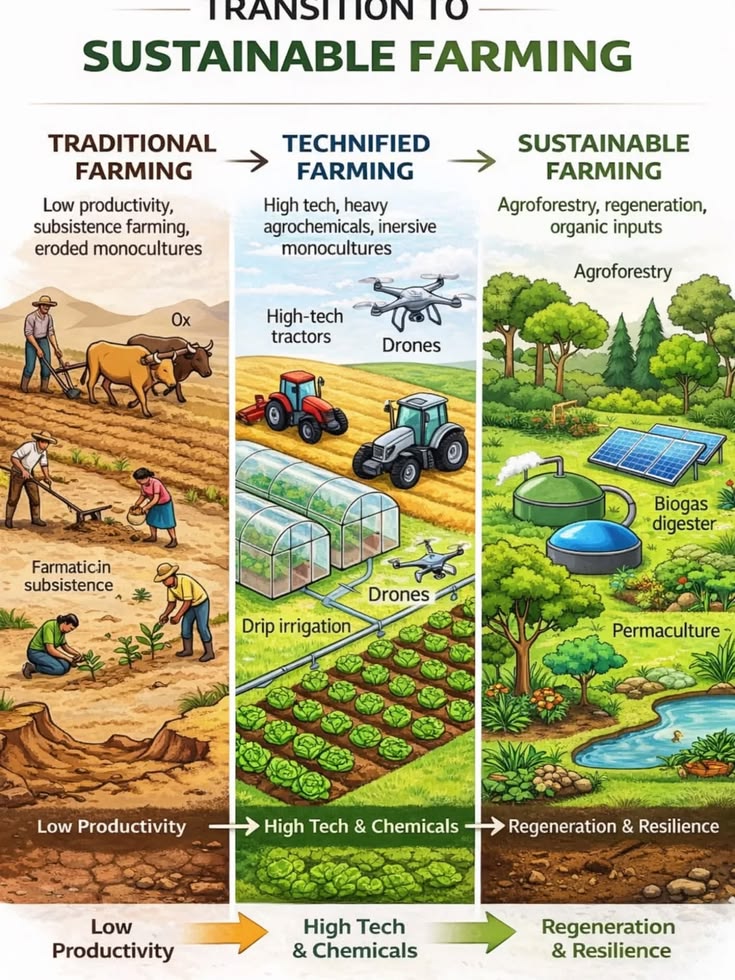
In conventional farming, success is often measured by yield alone. A higher harvest is generally seen as the primary indicator of a successful season.
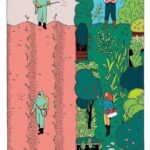
While productivity remains important, regenerative agriculture takes a broader view. It recognizes that long-term success depends on the health of the entire ecosystem, not just the quantity of produce leaving the farm.
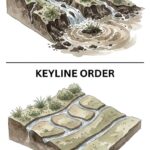
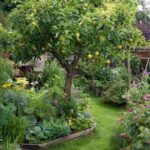
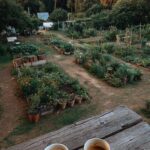
Success includes healthier soil that becomes richer in organic matter and biological activity with each passing year. It includes cleaner water that remains available within the landscape rather than being lost through runoff. It includes an increase in birds, butterflies, pollinators, and other forms of wildlife that contribute to ecological balance.
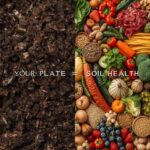
Success also means reducing dependence on external inputs by strengthening natural processes within the farm. Healthy soils, diverse plant communities, and thriving biological systems help create resilience and productivity naturally.
Beyond environmental benefits, success includes stronger connections between people and nature. Farms become places where food production and ecological stewardship work together rather than in opposition.
A truly successful farm produces more than crops. It produces healthy ecosystems, supports biodiversity, conserves resources, and contributes to community well-being.
At Amrut Krushi, success is measured by the gradual improvement of the land over time. When soil fertility increases, biodiversity expands, water is retained more effectively, and the landscape becomes more resilient, meaningful progress is taking place.
The harvest is important. It provides food and supports livelihoods. But the health of the land is the foundation that makes every future harvest possible.
In the end, the greatest wealth of a farm is not only what it produces today, but what it preserves and improves for tomorrow.