





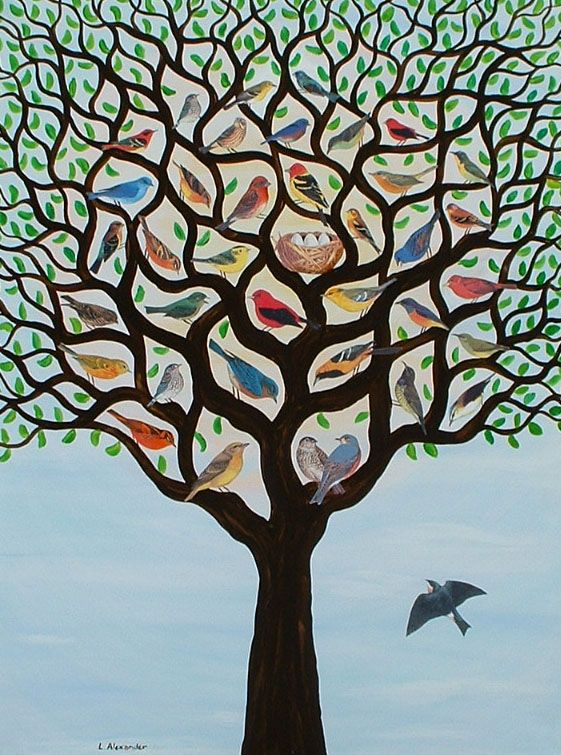
Why Birds Matter on a Farm
Birds contribute far more to agriculture than many people realize.
While they are often appreciated for their beauty and songs, birds also play important ecological roles that support healthy and productive farming systems. Their presence reflects the condition of the landscape and provides valuable insights into ecosystem health.
A farm rich in bird life is often a farm rich in biodiversity.
Nature’s Pest Managers
Many bird species help regulate insect populations naturally.
They feed on insects that may otherwise damage crops, helping maintain ecological balance without the need for excessive intervention. By controlling pests through natural predation, birds contribute to healthier and more resilient farming systems.
This ecological service becomes increasingly valuable as farms seek sustainable approaches to crop protection.
Seed Dispersers and Pollination Partners
Birds contribute to the regeneration of landscapes in several ways.
Some species help disperse seeds across large areas, supporting natural vegetation growth and biodiversity. Others assist with pollination, helping certain plant species reproduce successfully.
Through these activities, birds contribute to the continuous renewal and expansion of ecosystems.
They help connect different parts of the landscape in ways that often go unnoticed.
Indicators of Ecosystem Health
Birds are excellent indicators of environmental quality.
They respond quickly to changes in habitat, food availability, water sources, and biodiversity. When ecological conditions improve, bird populations often increase.
A growing diversity of bird species may indicate:
- Healthy habitats
- Improved biodiversity
- Availability of food and water
- Ecological balance
- Successful restoration efforts
For this reason, birds are often among the first signs that a landscape is recovering.
Creating Habitat for Birds
Birds thrive when farms provide diverse habitats.
Important features include:
- Native trees
- Shrubs and hedgerows
- Water sources
- Flowering plants
- Healthy insect populations
- Undisturbed nesting areas
These elements create safe environments where birds can feed, breed, and shelter.
The more diverse the habitat, the more bird species it can support.
The Amrut Krushi Perspective
At Amrut Krushi, every new bird sighting is viewed as a positive sign.
It suggests that the landscape is becoming more welcoming to life and that ecological restoration efforts are creating meaningful improvements in habitat quality.
Birds are valued not only for their presence but also for the many functions they perform within the ecosystem.
Their return often reflects broader improvements in biodiversity and environmental health.
Supporting More Than Birds
When habitat is created for birds, many other forms of life benefit as well.
Trees, shrubs, pollinator-friendly plants, and water sources support insects, reptiles, mammals, microorganisms, and countless other species.
Bird conservation therefore becomes part of a larger effort to strengthen ecological relationships throughout the landscape.
By supporting birds, we support biodiversity as a whole.
Conclusion
Birds connect different parts of the ecosystem by moving seeds, nutrients, and energy across the landscape.
Their presence enriches farms in ways that extend far beyond aesthetics. They contribute to pest control, biodiversity, pollination, and ecological resilience.
When we create habitat for birds, we create healthier ecosystems that support many other forms of life as well.
A farm that welcomes birds is often a farm that welcomes nature itself.