





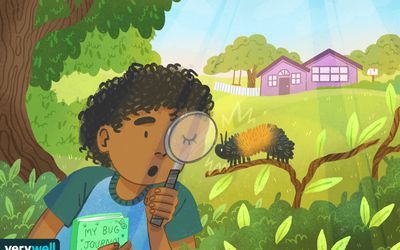
Why Observation Comes Before Action
In the excitement of improving a landscape, it is often tempting to begin planting, digging, building, or implementing solutions immediately. However, many land restoration projects fail because action is taken before the landscape is fully understood.
Regenerative agriculture teaches a different approach:
Observation comes before action.
Before changing the land, it is essential to understand how it already functions. Every landscape contains valuable information that can guide better decisions and improve long-term outcomes.
The Landscape Is Constantly Communicating
Nature continuously provides clues about the condition and behavior of the land.
Careful observation can reveal:
- How water moves during heavy rainfall
- Which areas remain moist for the longest periods
- Where erosion occurs
- Which plants naturally thrive
- Where wildlife and birds congregate
- How sunlight and shade change throughout the day
These patterns provide valuable insights that cannot be gained through assumptions alone.
The land is constantly communicating. The challenge is learning how to listen.
Why Observation Matters
Effective land restoration depends on understanding natural processes.
Without observation, actions may be placed in the wrong location or fail to address the root cause of a problem.
For example:
- Water harvesting structures are most effective when placed according to natural water flow patterns.
- Tree planting success improves when species are matched to local conditions.
- Soil improvement efforts become more effective when underlying issues are properly identified.
- Biodiversity enhancement works best when existing ecological relationships are understood.
Observation reduces guesswork and increases the likelihood of success.
Learning From Every Season
Landscapes are constantly changing.
Rainfall patterns, plant growth, wildlife activity, and soil conditions vary throughout the year. Each season provides new information about how the ecosystem functions.
By observing these changes over time, farmers gain a deeper understanding of the land and can make more informed management decisions.
Patience often reveals opportunities that are invisible during a brief site visit.
Observation as a Regenerative Practice
Observation is not a one-time activity. It is an ongoing practice.
Regenerative farmers continuously study the interactions between water, soil, vegetation, wildlife, and climate. These observations help guide decisions that strengthen ecological resilience and productivity.
The more attention we give to understanding natural systems, the more effectively we can work alongside them.
The Amrut Krushi Perspective
At Amrut Krushi, every season provides new information about the land.
Careful observation helps guide decisions related to:
- Tree planting
- Water harvesting
- Soil regeneration
- Biodiversity enhancement
- Landscape restoration
Rather than imposing solutions on the land, efforts focus on understanding existing patterns and working with them.
This approach helps create systems that are more sustainable, resilient, and aligned with natural processes.
Conclusion
Nature is constantly providing data. The challenge is learning to notice it.
Every landscape contains valuable information about water, soil, plants, and wildlife. Those who take the time to observe carefully gain insights that lead to better decisions and more successful outcomes.
Good decisions often begin with patient observation.
Before changing the land, we must first understand what it is trying to teach us.